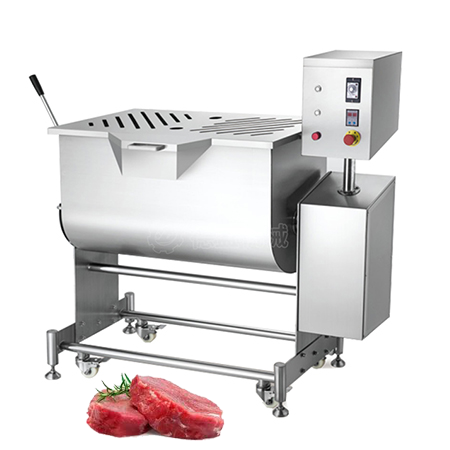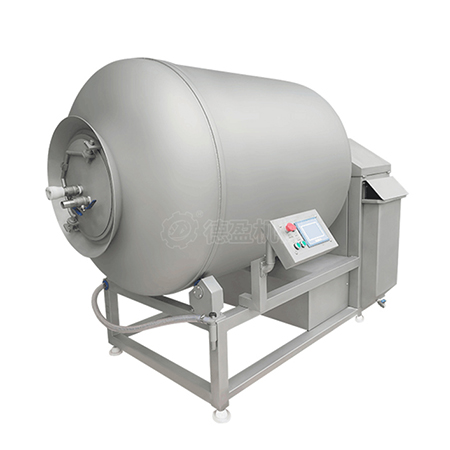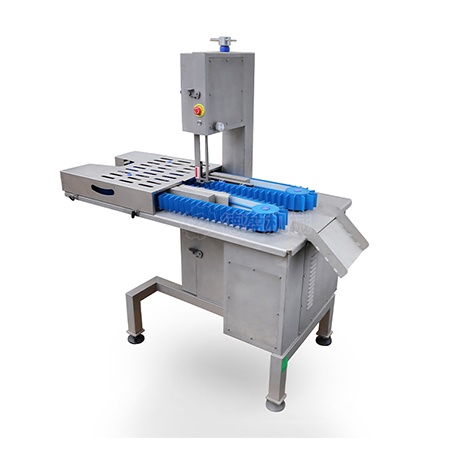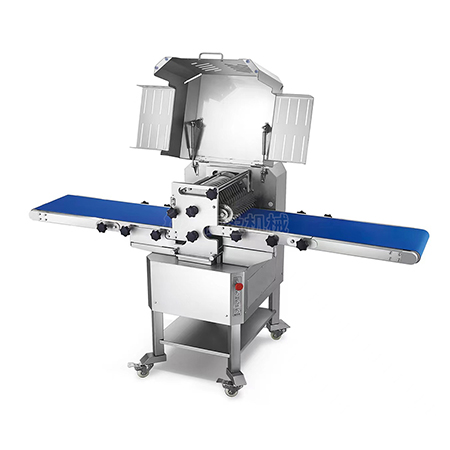

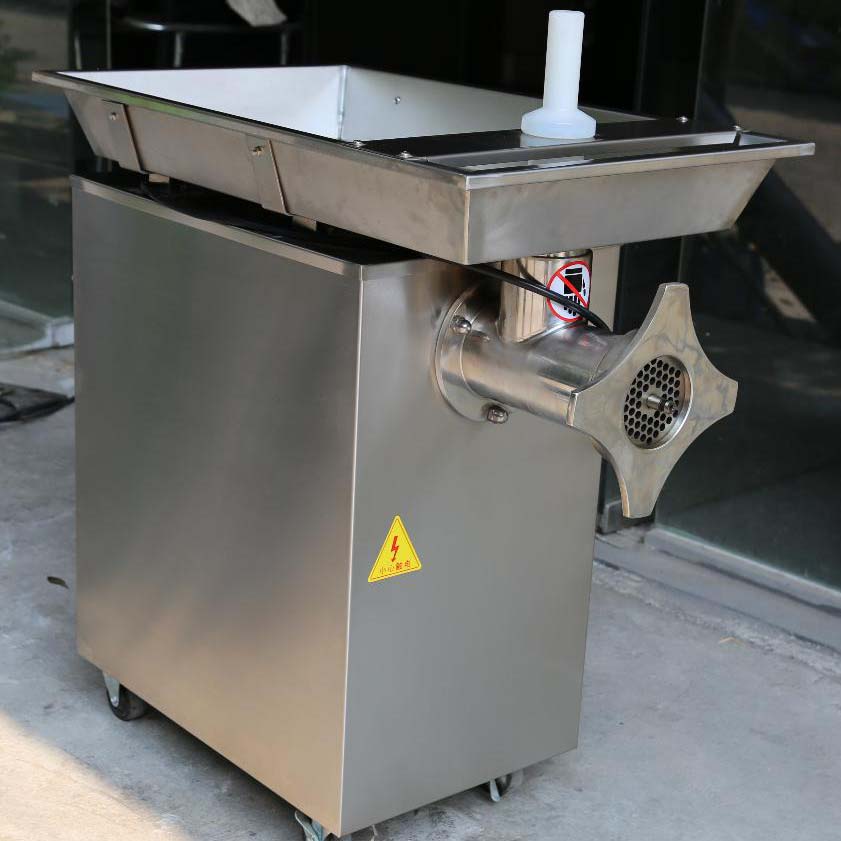
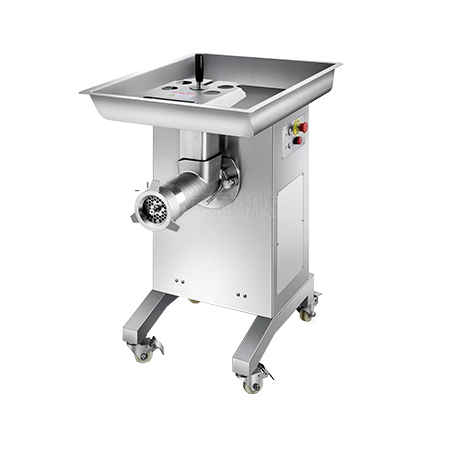
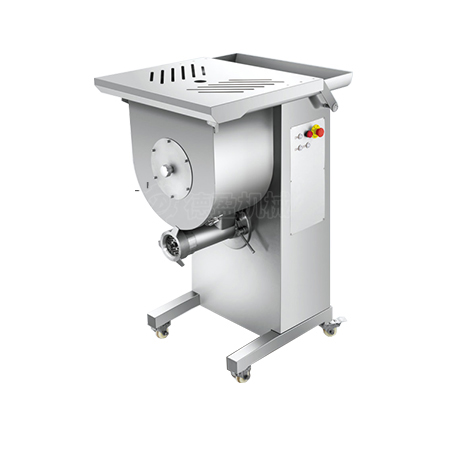
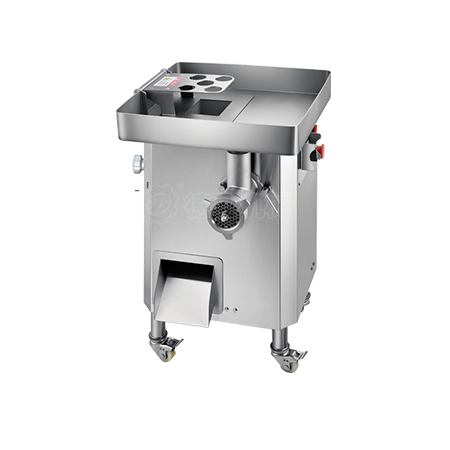
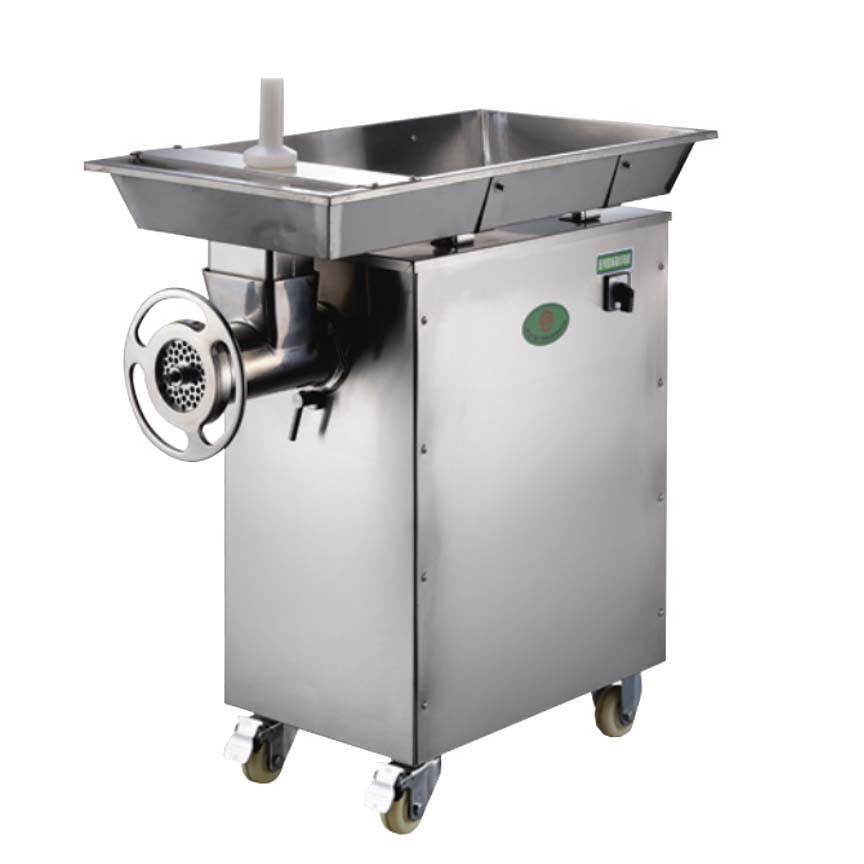
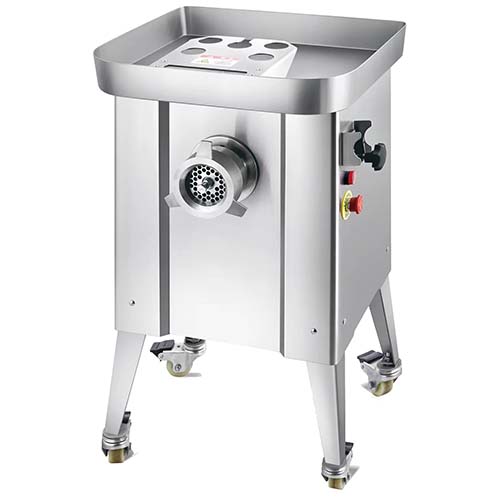
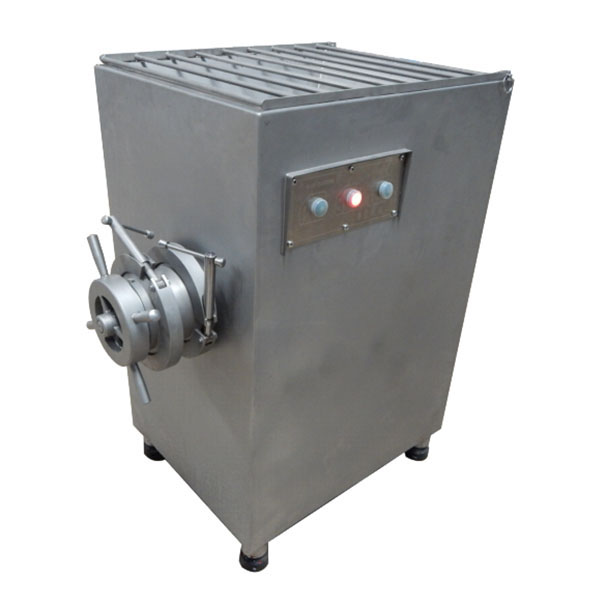
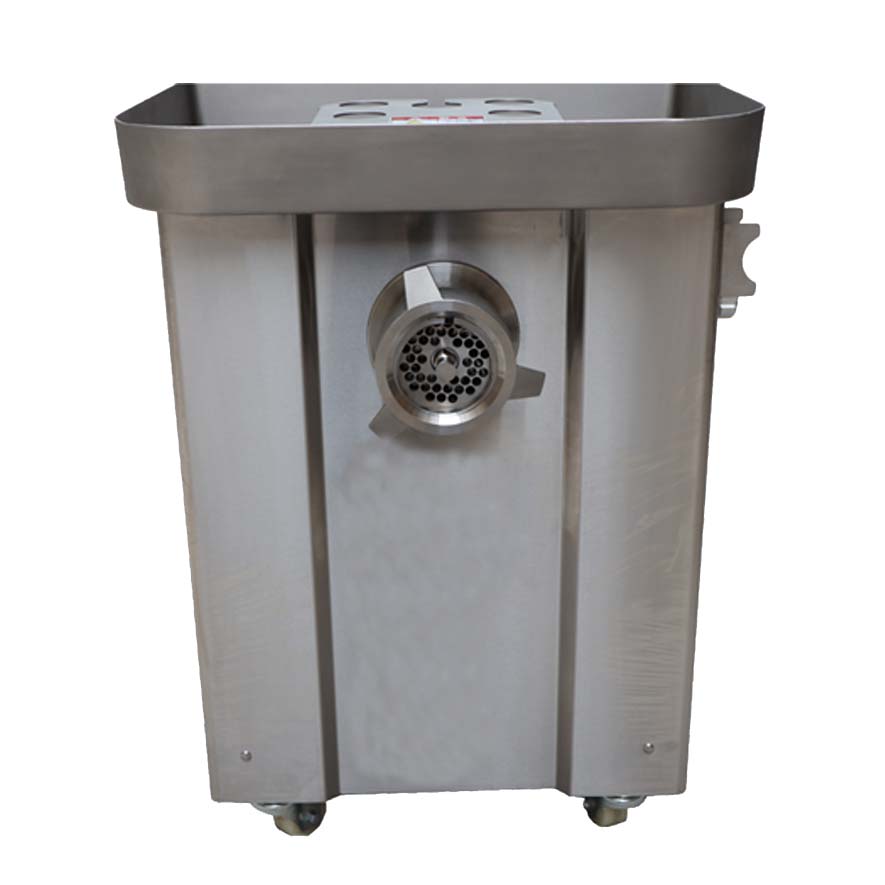






Commercial meat grinder is an efficient and versatile equipment suitable for large-scale meat processing places such as slaughterhouses, restaurants, and food processing plants. It not only improves the efficiency and quality of meat processing and reduces manual labor, but also can process various types of meat products according to different needs to meet the diversified needs of food production. Its high performance, durability, safety and easy cleaning make it an indispensable equipment in meat production.
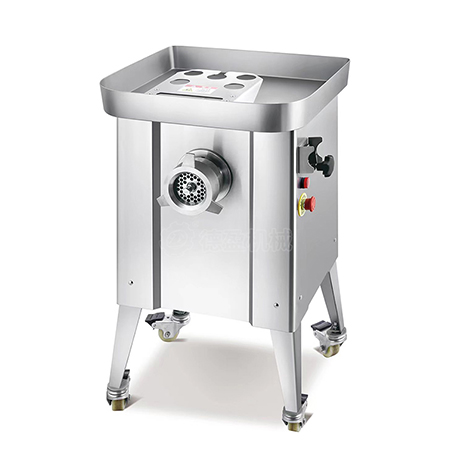
Compact & Robust Design:
Dimensions: 566mm (L) x 520mm (W) x 927mm (H) – Space-efficient for commercial kitchens or meat processing facilities.
Stainless steel construction ensures durability, corrosion resistance, and easy cleaning.
High Performance:
Power: 1.5kW motor provides strong grinding force for efficient processing.
Voltage: 380V (industrial-grade, suitable for heavy-duty use).
Yield: 500kg/h – Ideal for medium-to-large-scale operations (e.g., restaurants, butchers, supermarkets).
Versatile Functionality:
Adjustable grinding plates for different textures (fine, medium, coarse).
Capable of processing various meats (beef, pork, poultry) and even soft bones or vegetables.
Safety Features:
Overload protection to prevent motor damage.
Emergency stop button for quick shutdown.
Food-grade materials comply with hygiene standards (e.g., HACCP, CE).
Commercial Kitchens:
Restaurants, hotels, and catering services for preparing ground meat for burgers, sausages, meatballs, and stews.
Butcher Shops & Meat Processing:
Grinding fresh or frozen meat for retail sale or further processing (e.g., sausage filling, patty production).
Supermarkets & Delis:
On-site meat grinding to offer freshly ground options to customers.
Food Manufacturing:
Small-to-medium-scale production of processed meat products (e.g., canned meats, ready-to-eat meals).
Daily Cleaning:
Disassemble removable parts (grinding plates, blades, hopper) and wash with warm, soapy water.
Use a brush to remove meat residue from hard-to-reach areas.
Sanitize all components with a food-safe disinfectant.
Lubrication:
Regularly lubricate moving parts (e.g., gears, bearings) as per the manufacturer’s guidelines to reduce friction and wear.
Blade & Plate Inspection:
Check for dullness or damage; replace blades/plates if they show signs of wear to maintain efficiency and prevent motor strain.
Electrical Checks:
Ensure the power cord and plug are intact and free from damage.
Verify voltage compatibility (380V) to avoid motor burnout.
Storage:
Store in a dry, clean environment to prevent rust or contamination.
Cover the machine when not in use to protect it from dust.
Professional Servicing:
Schedule annual maintenance by a certified technician to inspect internal components (e.g., motor, gears) and ensure optimal performance.
Pro Tip: Always follow the manufacturer’s manual for model-specific instructions. Regular maintenance extends the lifespan of the meat mincer and ensures safe, hygienic operation.
FAQ
What should I do if the meat grinder does not start?
Possible reasons: power supply not connected, switch not turned on, fuse burnt out, motor failure.
Solution: Check the power connection to ensure that the plug and power socket are normal; check whether the switch and motor are working properly; if the fuse is burnt out, replace it in time.
What should I do if the meat grinder makes abnormal noise when running?
Possible reasons: blade wear, loose equipment parts or foreign objects stuck.
Solution: Stop the machine for inspection and remove any stuck foreign objects; check whether the blade is worn and replace the blade if necessary; ensure that all connectors are tightened.
What should I do if the meat minced by the meat grinder is uneven?
Possible reasons: the screen or blade is not suitable, the meat temperature is not appropriate, and the operation is too hasty.
Solution: Replace the appropriate screen; ensure that the meat is frozen to the appropriate temperature before mincing; maintain the appropriate speed during operation.
What should I do if the meat grinder cannot handle harder meat or bones?
Possible reasons: the machine is not designed to handle hard bones, or an improper screen is used.
Solution: Avoid putting bones or hard parts into the machine; choose equipment designed for bone processing, or use accessories specifically for meat bones.
How to clean a commercial meat grinder?
Cleaning method: After power off, disassemble all parts that come into contact with the meat (blades, screens, screws, etc.) and wash with warm water and neutral detergent. Make sure each part is thoroughly dry before reassembling. Avoid immersing the motor part in water.
What to do if the meat grinder overheats?
Possible reasons: long-term continuous use, motor overload.
Solution: Stop the machine for cooling, avoid long-term excessive use; ensure that the equipment is properly ventilated and let the motor rest in time.
Why is meat processing slow?
Possible reasons: insufficient motor power, worn blades, meat not cut small enough or too frozen.
Solution: Check whether the motor is operating normally; check the sharpness of the blades and replace them if necessary; cut the meat into small pieces to avoid hard or cold meat directly entering the machine.
What to do if the equipment vibrates or shakes?
Possible reasons: unstable installation or loose parts.
Solution: Check whether the equipment is installed smoothly and ensure that the ground is flat; check whether each connection part is tightened and reinstall it if necessary.
How to choose the right screen or blade?
Selection method: Choose screens and blades of different specifications according to the required coarseness of the meat filling. Finer screens are suitable for making sausages or meatballs, and coarser screens are suitable for minced meat or hamburger fillings.
What should I do if the meat grinder has an odor after use?
Possible reasons: The equipment is not cleaned thoroughly or the storage environment is humid.
Solution: Clean thoroughly after each use, especially the parts that come into contact with the meat, such as blades and screens. Make sure the equipment is dry and ventilated during storage, and avoid placing it in a humid environment.
| Technical Parameters | |
| Dimensions | 566×520×927mm |
| Voltage | 380V |
| power | 1.5kW |
| Yield | 500kg/h |

Dongguan De Ying food machinery Co., LTD


Copyright © 2026 Dongguan Deying Food Machinery Co., Ltd All rights reserved.


 PDF
PDF