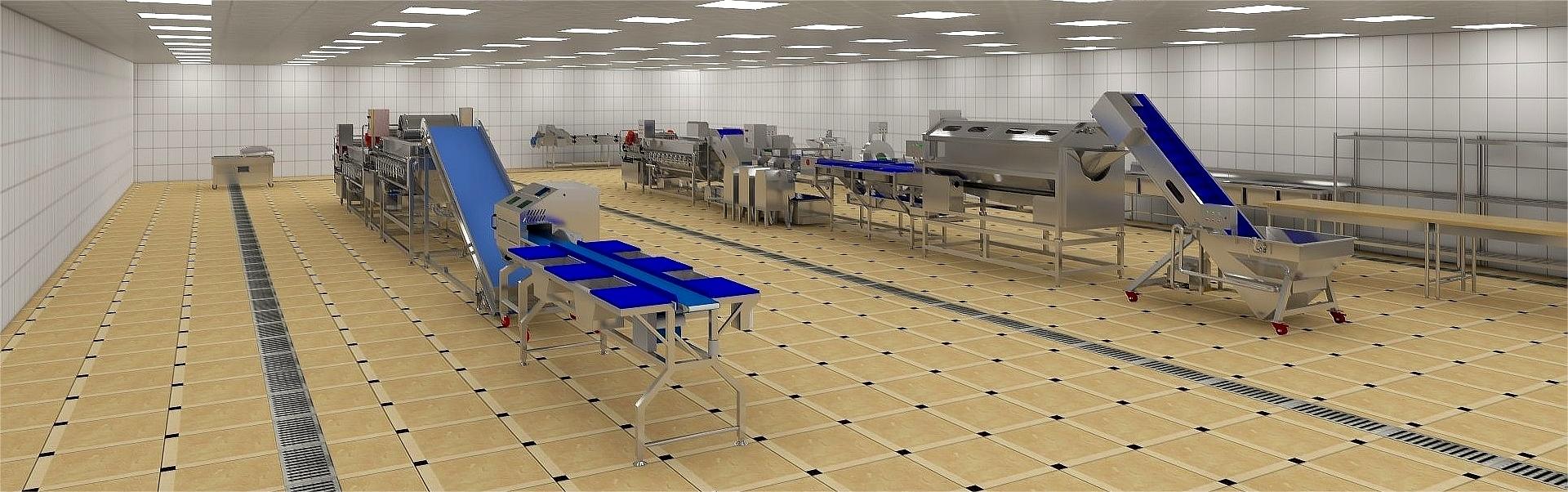
When comparing a Fruit Sorting Machine, buyers should look beyond the advertised processing capacity or purchase price. The machine's grading technology, sorting accuracy, fruit handling system, automation level, and maintenance requirements all influence its suitability for commercial fruit processing.
For fruit packing houses, agricultural processors, distributors, and food processing businesses, the right equipment should meet current production needs while supporting consistent grading and practical operation. Understanding the key features of an automatic fruit sorter helps procurement teams compare supplier quotations more effectively and avoid paying for functions they do not need.
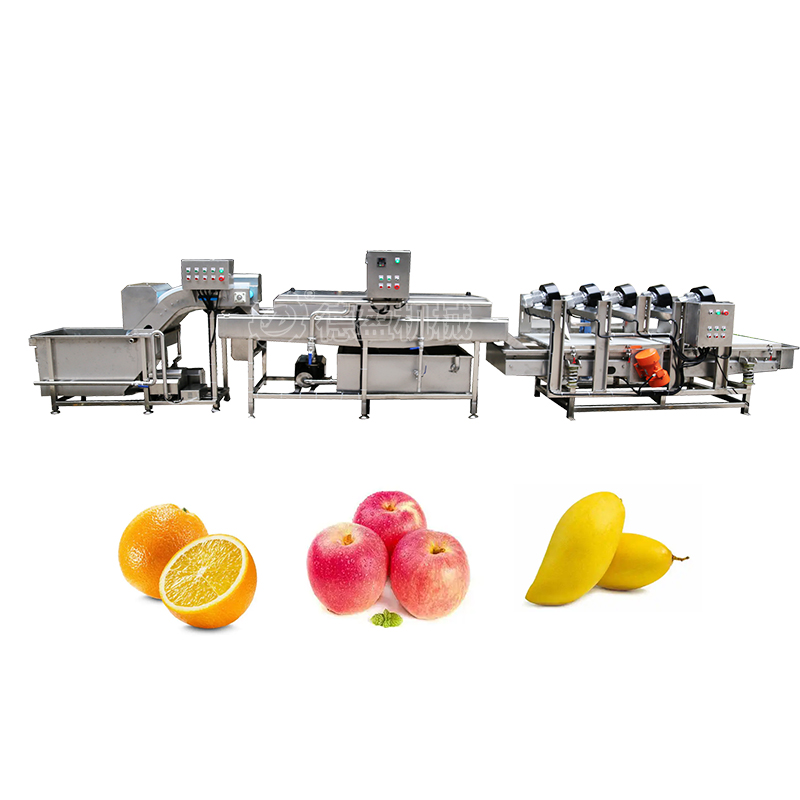
1. Sorting Technology and Grading Functions
The sorting technology determines which fruit characteristics a machine can evaluate. Before comparing equipment models, identify the grading criteria required by your customers and target markets.
Size and Diameter Grading
A fruit size sorting machine classifies fruit according to dimensions or diameter. This function is useful when fruit is sold or packed in standardized size categories.
When comparing size grading systems, check the supported fruit size range, adjustment method, number of available grades, and expected consistency. The equipment should match the varieties and size distribution processed at your facility.
Weight Grading
A weight-based fruit grading machine separates fruit into specified weight categories. This can support packaging specifications and commercial grading systems that depend on individual fruit weight.
Important specifications include the weighing range, weighing accuracy, throughput, and adjustment flexibility. Buyers should confirm how the supplier measures accuracy and whether the performance applies to their intended operating conditions.
Optical Inspection
An optical fruit sorting machine uses cameras or other optical sensing components to inspect selected characteristics. Depending on its configuration, the system may classify fruit by color, shape, or visible surface defects.
Not every optical sorter offers the same inspection functions. Ask the manufacturer which features are included, which are optional, and whether the system has been tested on your specific fruit type. Sample testing is especially important when defect detection or color classification is a key purchasing requirement.
Multi-Function Grading
Some Fruit Sorting Equipment combines two or more grading functions in one system. For example, a machine may evaluate both weight and optical characteristics, depending on its design.
Integrated functions can simplify workflow, but buyers should compare the total system cost, achievable throughput, setup complexity, and maintenance requirements. Choose the functions that directly support your product specifications and commercial grading standards.
2. Sorting Accuracy and Consistency
Fruit sorting accuracy is a key performance indicator because incorrect classification can affect product quality, packing efficiency, and customer acceptance. However, accuracy figures are meaningful only when the test method and grading conditions are clearly defined.
When evaluating this feature, buyers should ask:
How is sorting accuracy defined and calculated?
What fruit type, size range, and operating speed were used for testing?
How are overlapping fruits or inconsistent feeding conditions handled?
Can the machine maintain the required grade separation at the target throughput?
Are sample test results or performance records available?
It is also important to distinguish between measurement accuracy and overall sorting accuracy. A sensor may measure a characteristic precisely, but the final sorting result can still be affected by fruit positioning, feeding conditions, machine settings, and discharge timing.
For procurement purposes, agree on measurable acceptance criteria before ordering. This gives both the buyer and supplier a clearer basis for evaluating machine performance.
3. Processing Capacity and Throughput
The processing capacity of industrial fruit sorting equipment should match the actual output requirements of your operation. A machine with insufficient throughput can limit the performance of the entire packing line, while an oversized system may increase capital and operating expenses.
Compare capacity using consistent units and conditions. Depending on the machine and application, throughput may be expressed as kilograms per hour, tonnes per hour, or individual fruits per hour.
Before selecting a model, evaluate:
Required hourly and daily processing volume
Fruit size, weight, and variety
Number of sorting grades and discharge outlets
Feeding stability and conveyor configuration
Operating hours and peak-season production demand
Compatibility with upstream and downstream equipment
Ask the fruit sorting machine supplier to clarify the conditions behind the rated capacity. Actual throughput may vary depending on fruit characteristics, grading settings, operator practices, and production line configuration.
4. Fruit Feeding and Gentle Handling Design
Fruit handling design is an important feature, especially for products that are susceptible to bruising or surface damage. The feeding system, conveyor design, transfer points, and discharge mechanism all influence how fruit moves through the machine.
When inspecting a fruit sorting machine, review the following details:
How fruit enters and spreads across the sorting system
Whether the feeding mechanism suits the fruit's size and shape
The height and design of transfer points
The materials and surfaces that contact the fruit
How sorted fruit is discharged into bins, conveyors, or packing stations
Whether handling settings can be adjusted for different products
For delicate fruit, ask for a practical demonstration using representative samples. Evaluate both sorting results and visible damage during handling rather than relying on machine specifications alone.
5. Automation, Controls, and Ease of Operation
Automation can help standardize sorting operations and reduce repetitive manual work. However, the most suitable control system depends on production scale, operator experience, and the level of process control required.
Useful features may include adjustable grading parameters, a clear operator interface, fault indicators, operating status displays, and stored settings for different product specifications. The exact functions vary by model and should be confirmed with the supplier.
For factories processing multiple fruit types, convenient changeover procedures can also be important. Ask how operators change grading settings, clean the machine, restart production after a fault, and verify the selected parameters.
If the fruit sorting machine will be installed in an existing facility, check its compatibility with the current conveyor system, packing equipment, power supply, and available floor space. A well-planned integration can reduce installation difficulties and production downtime.
6. Cleaning, Maintenance, and Spare Parts
Maintenance requirements affect long-term equipment availability and operating costs. Before purchasing fruit sorting equipment, understand which components require routine inspection, cleaning, adjustment, or replacement.
Key points to compare include:
Accessibility of components that need regular cleaning
Maintenance intervals and recommended procedures
Availability of replacement belts, rollers, sensors, and other wear parts, as applicable
Ease of troubleshooting and access to technical documentation
Spare parts lead times and after-sales support arrangements
Warranty coverage and service conditions
For seasonal fruit processing businesses, unplanned downtime during peak harvest periods can be particularly costly. Ask the supplier how technical issues are handled and which spare parts should be kept on site.
7. Customization and Production Line Compatibility
Standard equipment may be suitable for straightforward applications, but some facilities require customized configurations to match their fruit types, processing volumes, or factory layouts.
Depending on the machine design, customization may involve feeding arrangements, conveyor dimensions, grading outlets, control settings, sorting functions, or connections to other Fruit Processing Equipment.
Before requesting a customized proposal, prepare the following information:
Fruit type, variety, and size or weight range
Required grading categories and sorting criteria
Target processing capacity
Existing production line layout and equipment interfaces
Available installation space and utility requirements
Target market, operating environment, and project schedule
Providing this information early helps the supplier assess feasibility and recommend a configuration based on actual production requirements. Buyers should also confirm which customized features affect cost, delivery time, maintenance, and future upgrades.
8. Total Cost and Supplier Support
When comparing fruit sorting machine suppliers, the lowest quotation does not necessarily represent the best long-term value. The total investment includes equipment cost, optional functions, installation, commissioning, training, maintenance, spare parts, and operating expenses.
A structured supplier comparison should cover:
Machine configuration and included functions
Rated capacity and documented performance conditions
Customization scope and production lead time
Installation and commissioning responsibilities
Operator training and technical documentation
Warranty terms and spare parts availability
After-sales service response and support arrangements
Reliable suppliers should be able to explain their equipment specifications clearly and help buyers understand the trade-offs between different configurations. Before signing a purchase agreement, document the agreed technical parameters, delivery terms, acceptance criteria, and service responsibilities.
Fruit Sorting Machine Comparison Checklist
Use the following checklist to compare different fruit sorting machine models and supplier quotations.
| Feature | What Buyers Should Check |
|---|---|
| Sorting technology | Size, weight, color, visible defects, or combined grading functions |
| Accuracy | Defined measurement method, test conditions, and acceptable error rate |
| Capacity | Hourly throughput under the intended operating conditions |
| Fruit handling | Feeding stability, transfer points, discharge design, and damage risk |
| Automation | Control interface, adjustment flexibility, monitoring, and fault indication |
| Maintenance | Cleaning access, routine servicing, spare parts, and technical support |
| Customization | Fruit compatibility, grading outlets, line layout, and optional functions |
| Total cost | Equipment, installation, training, maintenance, and operating expenses |
Frequently Asked Questions
Q1: What is the most important feature of a fruit sorting machine?
There is no single feature that is most important for every application. Buyers should prioritize the sorting functions, accuracy, and processing capacity required for their fruit type and commercial grading specifications. Handling, maintenance, and service support should also be evaluated.
Q2: Is an optical fruit sorting machine better than a mechanical sorting machine?
It depends on the grading task. Optical systems can evaluate selected visual characteristics, while mechanical or weight-based systems may be suitable for size or weight grading. Compare the required functions, performance evidence, investment, and operating costs before choosing.
Q3: How do I compare the capacity of different fruit sorting machines?
Compare throughput using the same unit and similar operating conditions. Confirm the fruit type, size range, grading criteria, and system configuration behind each capacity figure, because rated output may not be directly comparable across different machines.
Q4: Can a fruit sorting machine be customized?
Depending on the design, customization may include feeding systems, conveyor layouts, grading outlets, control settings, and selected sorting functions. Provide your production requirements and factory layout so the supplier can evaluate feasible options.
Q5: How can I reduce fruit damage during sorting?
Choose equipment designed for the fruit's size, shape, and handling sensitivity. Review transfer heights, conveying surfaces, feeding stability, and discharge arrangements, and verify performance through sample testing under representative conditions.
Q6: What should I ask a fruit sorting machine supplier before ordering?
Ask about machine specifications, supported fruit types, sorting functions, rated capacity, test methods, customization options, installation requirements, warranty terms, spare parts, and after-sales support. Request a quotation based on clearly documented production requirements.
Compare Fruit Sorting Machine Options for Your Production Needs
Looking for fruit sorting equipment for a packing facility or processing line? Share your fruit type, target capacity, grading criteria, and installation requirements to discuss a suitable machine configuration with our team.
Contact Our Team