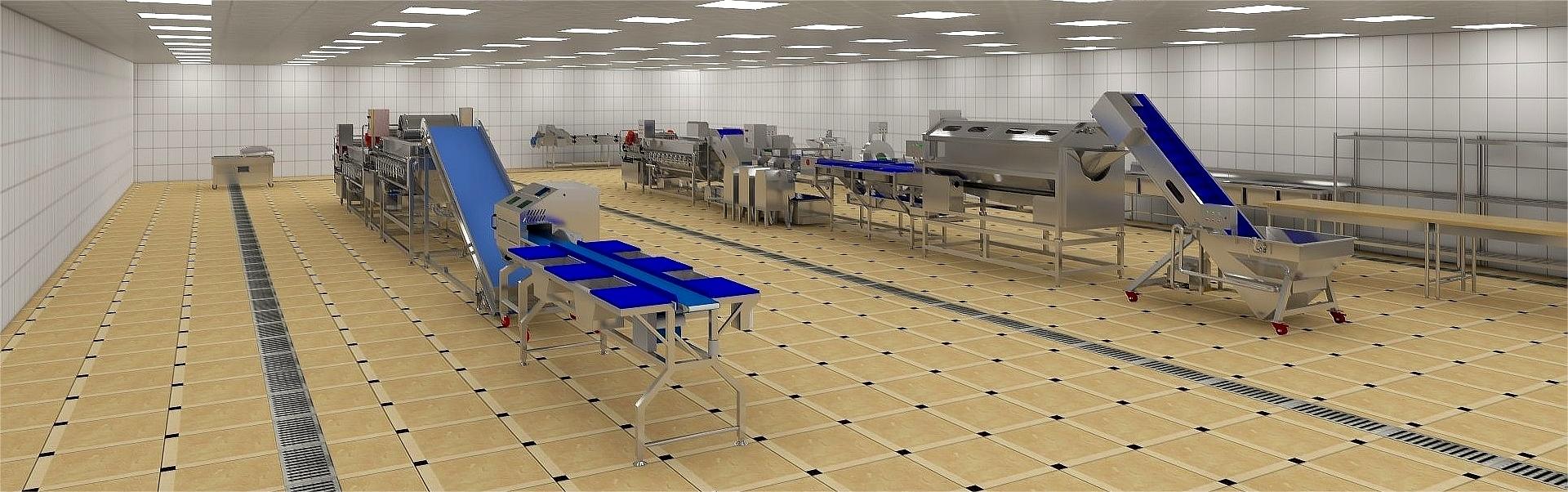
Choosing the right Fruit Sorting Machine is an important investment for fruit packing houses, agricultural processors, wholesalers, and food processing businesses. The right equipment can help improve grading consistency, reduce manual sorting work, and support a more efficient packing process. However, different fruits, production volumes, and quality requirements call for different sorting solutions.
Before purchasing an automatic fruit sorting machine, buyers should evaluate fruit characteristics, sorting criteria, processing capacity, automation requirements, available factory space, and long-term operating costs. Understanding these factors helps businesses select Fruit Sorting Equipment that fits their actual production needs rather than paying for unnecessary features.
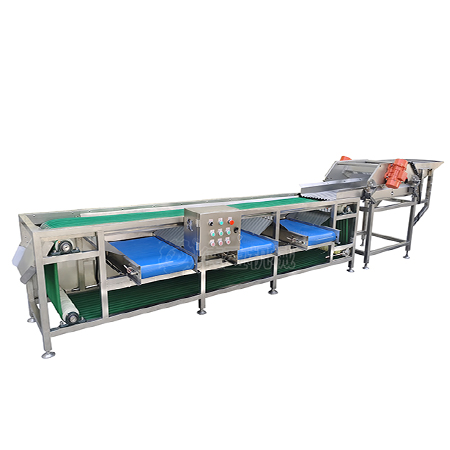
1. Identify the Types of Fruit You Need to Sort
The first step is to determine which fruits the machine will handle. Apples, oranges, lemons, pears, mangoes, and other fruits differ in size, shape, surface characteristics, weight, and handling sensitivity. These differences affect the feeding system, conveying design, sorting method, and discharge structure.
For example, an Apple Sorting Machine may need to classify fruit by diameter, weight, color, or visible surface defects. A citrus sorting machine may require suitable handling for round fruits and grading criteria based on size or appearance. Mango sorting applications may require particular attention to fruit shape, surface condition, and handling requirements.
When evaluating fruit sorting equipment, buyers should confirm:
The fruit species, varieties, and size range to be processed
Whether the machine will handle one fruit type or multiple types
The required grading criteria, such as size, weight, color, or external defects
Whether the fruit requires gentle handling to minimize bruising or surface damage
How frequently product specifications or fruit varieties may change
Providing representative fruit samples and clear sorting requirements allows the manufacturer to assess equipment compatibility before the purchase.
2. Choose the Right Sorting Technology
Different fruit sorting machines use different technologies to classify products. The appropriate solution depends on the required grading accuracy, fruit characteristics, production volume, and budget.
Size Sorting
A fruit size sorting machine classifies fruit according to dimensions or diameter. This method can be suitable when buyers need consistent size categories for wholesale distribution, retail packaging, or export grading.
When comparing size grading equipment, check the supported fruit size range, adjustment method, grading levels, and expected sorting consistency.
Weight Sorting
A weight-based fruit grading machine separates fruit into different weight categories. This can be useful when selling specifications or packaging requirements are based on individual fruit weight or weight grades.
Buyers should confirm the supported weight range, weighing accuracy, throughput, and whether the system can accommodate their required grade settings.
Optical Sorting
An optical fruit sorting machine uses imaging or other optical sensing technologies to evaluate selected fruit characteristics. Depending on the system configuration, it may assess factors such as color, shape, or visible surface defects.
Optical sorting is worth considering when appearance-based grading is important. However, the actual capabilities depend on the sensors, software, lighting conditions, fruit presentation, and inspection criteria. Buyers should request a demonstration using representative samples to verify performance against their specific requirements.
Multi-Criteria Sorting
Some automatic fruit sorting machines combine multiple grading criteria, such as size and weight or weight and optical inspection. A combined system may reduce the need for separate processing steps, but it can also increase equipment cost and system complexity.
Before selecting a multi-criteria solution, determine which measurements are essential for your product specifications and whether one integrated machine can meet the required throughput.
3. Calculate the Required Processing Capacity
Processing capacity is one of the most important factors when purchasing industrial fruit sorting equipment. A machine that cannot keep up with the upstream washing or feeding process may create production bottlenecks. Conversely, excessive capacity can increase initial investment and operating costs without providing sufficient business value.
When comparing machine capacity, consider:
Hourly throughput: Estimate the quantity of fruit that needs to be processed per hour or per shift.
Fruit size and weight: Actual throughput may vary according to the fruit being processed and the machine configuration.
Number of grading outlets: Confirm whether the available discharge categories match your product requirements.
Upstream and downstream equipment: Check compatibility with washing, drying, packing, and conveying systems.
Peak-season demand: Allow for seasonal volume increases and realistic operating schedules.
Ask the fruit sorting machine manufacturer to clarify the conditions used to calculate its stated capacity. Rated throughput and actual production output may differ depending on fruit characteristics, sorting criteria, operator practices, and line configuration.
4. Evaluate Sorting Accuracy and Product Handling
Sorting accuracy directly affects product consistency, grade separation, and the amount of manual rechecking required after sorting. However, accuracy should be evaluated against the actual grading task rather than a general performance claim.
For a reliable assessment, buyers should define the acceptable size or weight ranges, required visual inspection criteria, and tolerance for misclassification. If the machine sorts by color or surface defects, request a sample test using fruit that represents normal production conditions.
Product handling is equally important. Excessive impact, poorly designed transfer points, or unsuitable conveying components may damage sensitive fruit. Review the feeding mechanism, transfer height, contact surfaces, discharge system, and available handling adjustments.
Before finalizing a purchase, ask the supplier to explain how sorting accuracy is measured, what test conditions apply, and how product damage is assessed during a trial.
5. Check Automation and Production Line Integration
An automatic fruit sorting machine can help standardize grading operations and reduce repetitive manual work. The appropriate level of automation depends on labor availability, production volume, existing equipment, and the desired degree of process control.
For businesses upgrading an existing packing facility, integration is often as important as the sorting machine itself. Check whether the equipment can connect with existing conveyors, washing systems, drying units, packing stations, and control systems.
Key questions to ask include:
Can the machine connect to the existing fruit packing line?
Can operators adjust grading settings for different fruit sizes or product specifications?
Are monitoring functions and fault indicators available?
What electrical supply, installation space, and operating conditions are required?
Will installation, commissioning, training, or technical support be provided?
For larger facilities, evaluating the complete Fruit Processing Equipment layout can help avoid compatibility issues and unnecessary production interruptions.
6. Compare Maintenance Requirements and Total Cost
The purchase price is only one part of the total cost of owning a fruit sorting machine. Buyers should also consider routine maintenance, spare parts, energy consumption, operator training, downtime, and technical support.
Before making a decision, compare:
Initial equipment cost and optional configuration costs
Availability and lead time of commonly replaced parts
Cleaning procedures and routine maintenance intervals
Energy requirements and staffing needs
Warranty terms and after-sales service arrangements
Installation, commissioning, and operator training costs
A machine with a lower initial price may not be the most economical option if it requires frequent servicing or cannot achieve the required production output. Evaluate the expected operating conditions and long-term service arrangements alongside the quotation.
7. How to Select a Reliable Fruit Sorting Machine Manufacturer
Choosing the right supplier is just as important as choosing the equipment. A reliable fruit sorting machine manufacturer should be able to understand your application, explain the machine configuration, provide clear technical specifications, and support the equipment throughout its service life.
During supplier evaluation, consider the following factors:
Product experience: Ask about experience with your fruit type, grading criteria, and production scale.
Customization capability: Confirm whether the supplier can adjust feeding, grading outlets, control settings, or line layout to suit your requirements.
Performance verification: Request a sample test, demonstration, or documented performance information relevant to your application.
Manufacturing and quality control: Review the supplier's production processes, inspection procedures, and applicable documentation.
Technical support: Clarify installation assistance, training, troubleshooting, warranty coverage, and spare parts supply.
Project communication: Make sure specifications, delivery schedules, acceptance criteria, and commercial terms are clearly documented.
Before requesting a quotation, prepare your fruit samples or specifications, target capacity, grading requirements, installation details, and destination market. This information helps the supplier recommend a suitable machine configuration and provide a more relevant proposal.
Frequently Asked Questions
Q1: What factors should I consider when buying a fruit sorting machine?
Start with fruit type, sorting criteria, processing capacity, required accuracy, product handling, automation, factory layout, maintenance, and after-sales support. These factors determine whether the machine is suitable for your production needs.
Q2: What is the difference between a fruit sorting machine and a fruit grading machine?
The terms are often used interchangeably. In some applications, sorting refers broadly to separating products by selected characteristics, while grading emphasizes classifying products into defined quality or size categories. The actual machine functions should be confirmed from the supplier's specifications.
Q3: Can one automatic fruit sorting machine handle different fruits?
Some machines can be adjusted for different fruit types, but compatibility depends on the equipment design, fruit dimensions, weight range, handling requirements, and sorting technology. Confirm the supported fruit types and whether changeover parts or adjustments are necessary.
Q4: How can I verify the sorting accuracy of a fruit sorter?
Define the required grading criteria and test the machine using representative fruit samples. Ask the supplier to explain the measurement method, test conditions, sample size, and acceptable error rate before agreeing on performance requirements.
Q5: Should I buy a standalone fruit sorting machine or a complete sorting line?
A standalone machine may suit facilities that already have compatible conveying and packing equipment. A complete sorting line may be more appropriate when you need coordinated feeding, sorting, conveying, and packing operations. The decision depends on your existing setup, capacity, and project budget.
Q6: What information should I provide when requesting a quotation?
Provide the fruit type, size and weight range, grading criteria, target hourly capacity, number of grades, automation requirements, existing line layout, destination market, and expected delivery schedule. Photos, videos, and physical samples can help the supplier evaluate your application.
Looking for the Right Fruit Sorting Machine?
Share your fruit type, grading requirements, and target processing capacity with our team. We can help you evaluate suitable fruit sorting equipment configurations for your production line and business needs.
Request a Quote