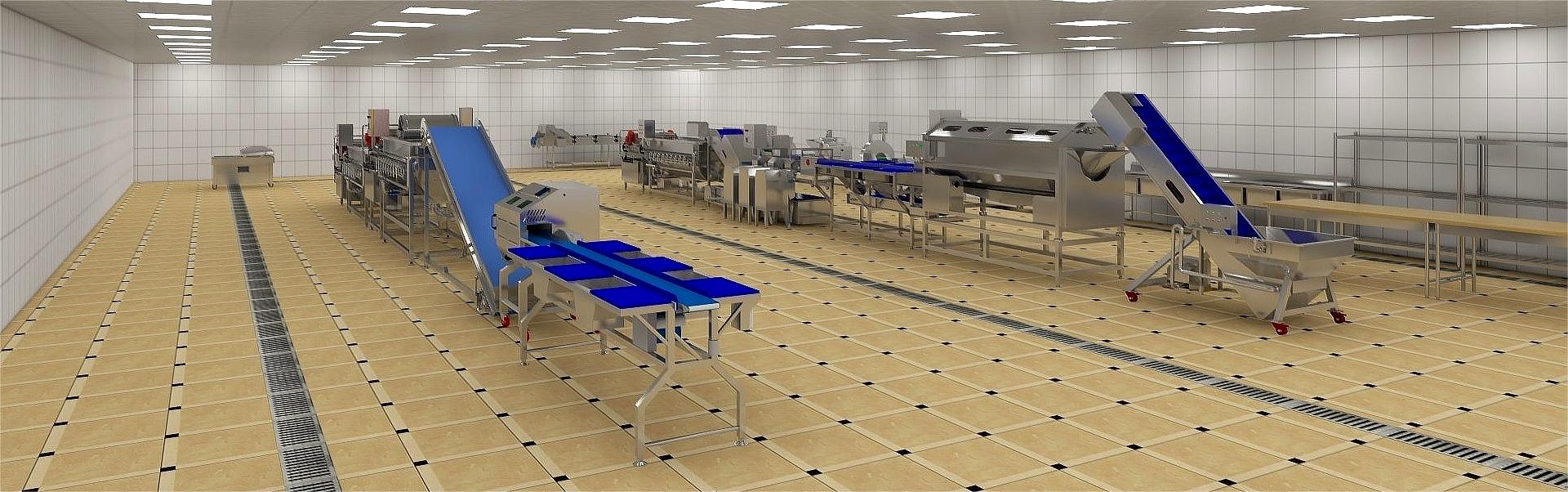
Manual vegetable washing may be sufficient for small-scale food preparation, but it can become increasingly difficult to manage as production volumes grow. More raw materials mean more washing time, more labor, and greater challenges in maintaining consistent processing conditions.
For commercial food processors, upgrading to an industrial vegetable washing machine can help transform vegetable cleaning from a labor-intensive task into a more standardized part of the production line.
1. Process More Vegetables in Less Time
One of the most obvious limitations of manual washing is processing capacity. Workers can only wash a certain amount of vegetables at a time, and the process usually involves repeated loading, scrubbing, rinsing, and transferring.
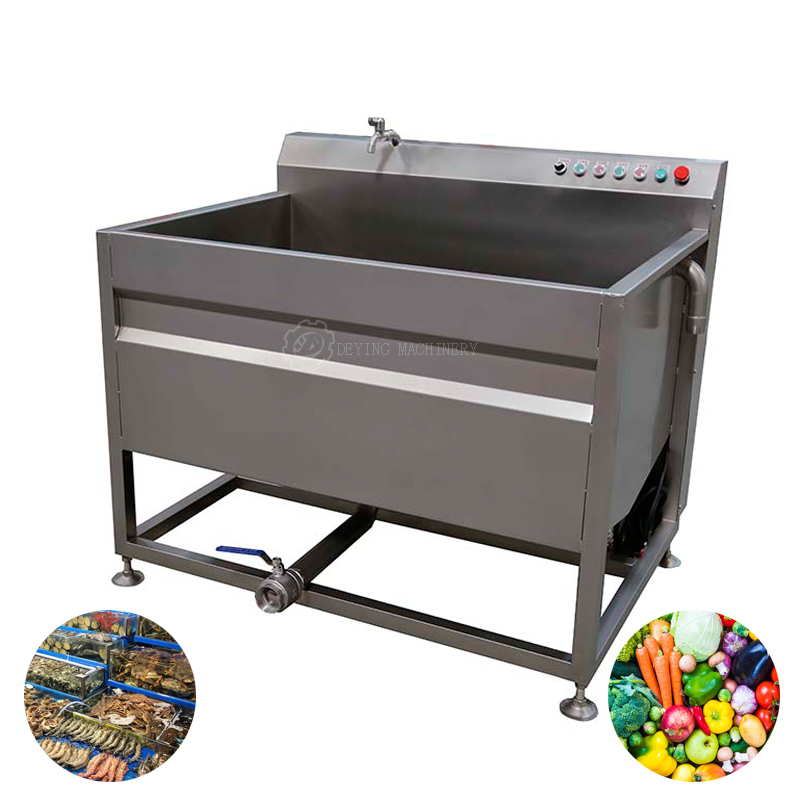
An industrial Vegetable Washing Machine is designed to handle larger quantities of raw materials in a continuous or batch-based process. This allows food processors to increase washing capacity without increasing manual work at the same rate.
For companies experiencing growing orders or seasonal increases in production, higher washing capacity can help prevent the washing stage from becoming a bottleneck.
2. Reduce Repetitive Manual Labor
Washing large quantities of vegetables is repetitive and physically demanding. Workers may need to stand for long periods, handle heavy batches of vegetables, and repeatedly perform the same washing and rinsing operations.
An industrial washing machine can automate much of this repetitive work. Depending on the equipment configuration, operators may mainly be responsible for feeding materials, monitoring the machine, checking washing results, and performing routine maintenance.
This allows manufacturers to use their workforce more efficiently while reducing dependence on repetitive manual operations.
3. Achieve More Consistent Washing Results
With manual washing, different workers may use different washing times, pressure, and techniques. As a result, cleaning results can vary between batches.
Industrial vegetable washing equipment provides a more standardized process. Washing time, water flow, agitation, conveying speed, and other operating parameters can be controlled according to the machine design and raw material requirements.
This consistency is particularly important for commercial food processing, where stable processing conditions are needed across large production volumes.
4. Make It Easier to Build a Complete Processing Line
Manual washing can create unnecessary gaps between different processing stages. After washing, workers may need to manually move vegetables to cutting, peeling, dewatering, sorting, or packaging equipment.
An Industrial Vegetable Washer can be connected with conveyors and other food processing machines to create a smoother production flow.
For example, a processing line may be arranged as:
Vegetable Feeding → Washing → Rinsing → Dewatering → Cutting → Packaging
The actual configuration can be adjusted according to the type of vegetables and the production requirements of the processing plant.
5. Prepare for Production Growth
Businesses do not always remain at the same production scale. As customer demand increases, a washing process that works well for a small operation may eventually become a limitation.
Upgrading to industrial equipment allows companies to plan their washing capacity around current and future production needs. Instead of continuously adding manual workers, manufacturers can establish a more scalable processing system.
This can be particularly useful for vegetable processing companies, central kitchens, food manufacturers, catering suppliers, and prepared-food producers.
Manual Washing vs. Industrial Vegetable Washing
| Factor | Manual Washing | Industrial Washing |
|---|---|---|
| Processing capacity | Limited by available labor | Designed for higher-volume processing |
| Labor requirements | High | Reduced repetitive labor |
| Process consistency | Can vary between workers | More standardized |
| Production integration | More manual transfer | Can integrate with Processing Lines |
| Scalability | Limited | Better suited to production expansion |
Should Every Food Processor Replace Manual Washing?
Not necessarily. Manual washing may still be practical for restaurants, small kitchens, or operations with relatively low production volumes. An industrial machine becomes more attractive when the volume of vegetables, labor requirements, or production targets make manual washing inefficient.
The goal is not simply to automate every washing operation, but to select equipment that matches the actual production requirements of the business.
What Should You Consider Before Upgrading?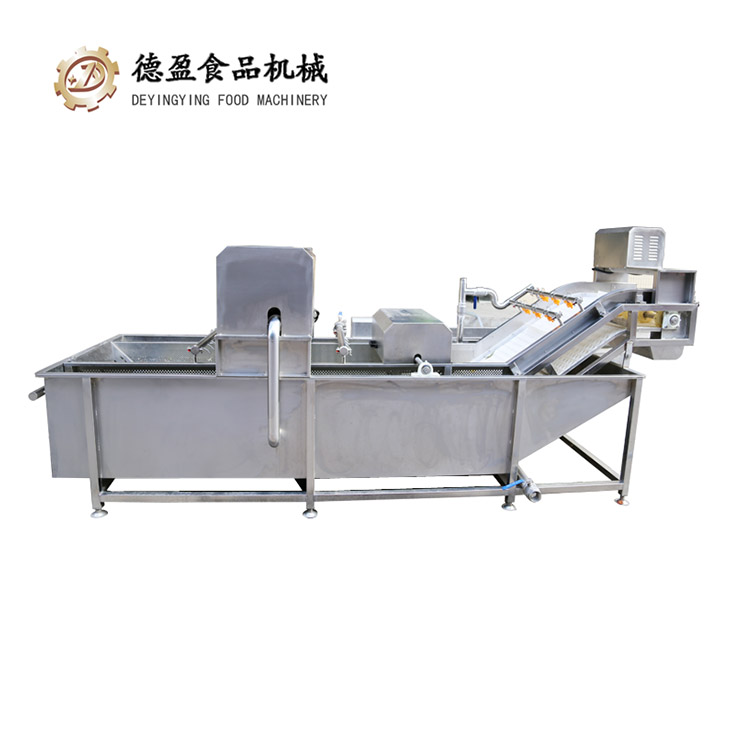
Before purchasing an industrial vegetable washing machine, evaluate the types of vegetables being processed, daily production volume, washing requirements, available space, water supply, labor costs, and the possibility of connecting the washer with other equipment.
It is also important to consider future production growth. Choosing a machine based only on current capacity may create limitations if production increases significantly in the future.
Moving from manual vegetable washing to an industrial machine can provide five major advantages: higher processing capacity, reduced repetitive labor, more consistent washing, easier production-line integration, and greater scalability.
For growing food processing businesses, the right industrial vegetable washing machine can turn a labor-intensive washing stage into a more efficient and standardized production process. The best solution should always be selected according to the vegetable type, production capacity, washing requirements, and overall processing line.