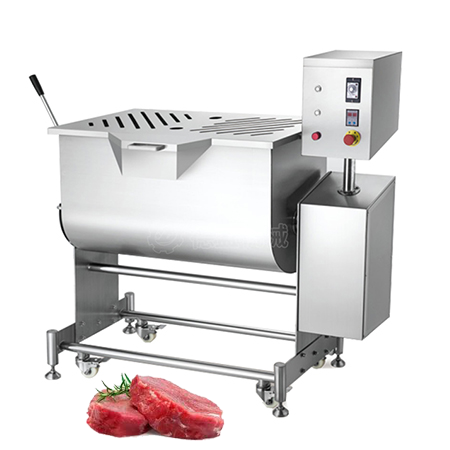
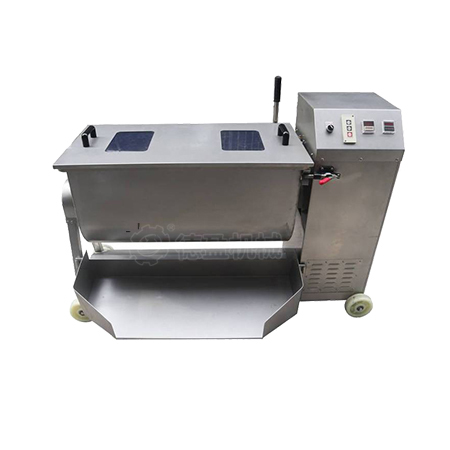






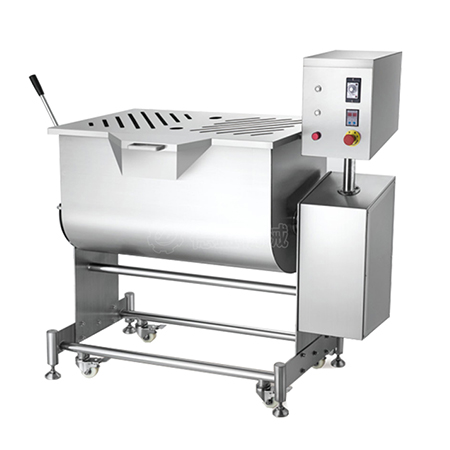
High Efficiency & Capacity
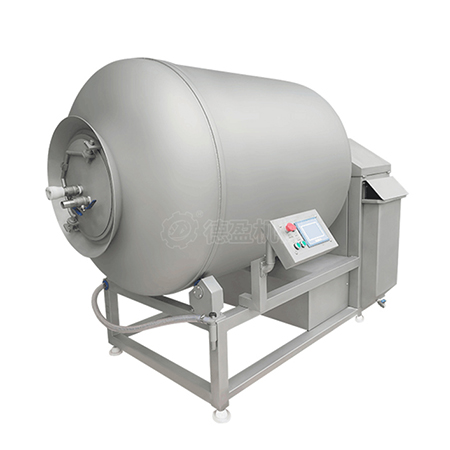
Batch Processing: 110L (≈80kg) of meat per cycle, ideal for bulk processing to reduce frequent operation.
Power Optimization: 1.5kW motor running on 380V ensures stable performance while balancing energy consumption, suitable for small-to-medium commercial use.
Robust & Hygienic Design
Compact Build: Dimensions of 1370x610x1347mm optimize space usage in kitchens or processing areas.
Stainless Steel Construction: Corrosion-resistant, easy to clean, and compliant with food-grade safety standards.
Modular Design: Removable parts (e.g., blades, output plates) allow quick replacement and thorough cleaning.
Safety & Stability
Overload Protection: Built-in motor safeguard prevents damage from jams or excessive loads.
Anti-Slip Base: Rubber feet ensure stability during operation.
User-Friendly Operation
Simple Control Panel: One-touch start/stop for easy use.
Transparent Hopper (Optional): Some models feature a clear feed hopper to monitor processing progress.
Foodservice Industry
Restaurants/Hotels: Bulk meat grinding for dishes like burgers, meatballs, or sausage fillings, streamlining prep workflows.
Central Kitchens: Uniform processing of meat ingredients for supply to multiple branches or delivery services.
Food Processing
Meat Processing Plants: Production of meatballs, ham sausages, or canned meats requiring high-frequency, large-volume processing.
Supermarkets/Delicatessens: On-site grinding of fresh meat to enhance product appeal and value.
Specialized Uses
Low-Temperature Processing: Some models support cold environments for frozen meat or temperature-sensitive ingredients.
Multi-Purpose Use: By changing blades or output plates, it can process vegetables, fish, or other non-meat ingredients.
Daily Cleaning
Disassemble & Wash: After each use, remove blades, output plates, and other detachable parts. Clean with warm water and mild detergent to prevent bacterial growth.
Wipe Down Body: Dry the exterior with a cloth to avoid water-induced corrosion.
Sanitize: Periodically disinfect components with food-safe sanitizers.
Regular Maintenance
Blade Inspection: Check monthly for sharpness; replace dull blades promptly to maintain efficiency.
Motor Check: Quarterly inspect for unusual noises or overheating.
Lubrication: Apply food-grade lubricant to moving parts (e.g., gears, bearings) to reduce wear.
Proper Operation
Avoid Overloading: Do not exceed the 80kg batch limit to prevent motor strain.
Uniform Feeding: Maintain a steady feed rate to prevent clogging.
Power Off Before Servicing: Always disconnect power before cleaning or replacing parts.
Long-Term Storage
Dry Environment: Store in a cool, dry place to prevent circuit damage from humidity.
Dust Cover: Use a protective cover to keep dust out of internal components.
This machine combines efficiency, durability, and ease of use, making it a reliable choice for commercial meat processing needs. Proper maintenance ensures longevity and consistent performance.
FAQ
What should I do if the blender makes abnormal noises during operation?
Possible causes: loose parts or foreign objects stuck inside the blender, worn blades.
Solution: Stop the blender and check the various parts of the blender to ensure that there are no foreign objects blocking it; check whether the blades are worn, and replace or readjust them if necessary.
What should I do if the mixing effect is uneven?
Possible causes: the meat ingredients are not added in the appropriate proportion, the mixing time is insufficient, or the equipment is overloaded.
Solution: Add the appropriate proportion of meat and ingredients according to the recipe or product requirements; ensure that the mixing time is sufficient each time, and do not overload the machine.
What should I do if the blender overheats?
Possible causes: long-term continuous use, excessive machine load, and lack of cooling.
Solution: Stop the machine regularly to cool it down; avoid continuous high-load operation for a long time; ensure good ventilation, and pay attention to rest intervals when using it.
How to clean a commercial meat blender?
Cleaning method: After the equipment is stopped, disassemble all parts that come into contact with food (such as blades, mixing arms, containers, etc.), wash them with warm water and neutral detergent, and avoid moisture contact with the motor part. All parts should be dried before assembly.
What should I do if the mixing speed of the mixer cannot be adjusted?
Possible reasons: speed control device failure or controller damage.
Solution: Check the speed control device and electronic control system to ensure that there is no circuit failure; if there is damage, contact professional maintenance personnel to repair or replace the controller.
Why is the minced meat too dry or too wet?
Possible reasons: improper ratio of meat to ingredients, or insufficient mixing time.
Solution: Adjust the ratio of meat to ingredients according to the recipe to ensure that the ingredients are fully absorbed; extend the mixing time until the ideal moisture content of the minced meat is reached.
What should I do if the mixing capacity of the commercial meat mixer is insufficient?
Possible reasons: mixer specifications are not suitable for current production needs.
Solution: Check the specifications and production needs of the mixer to ensure that the capacity of the equipment meets the requirements. If necessary, you can choose a larger capacity device to meet production needs.
What should I do if the mixer vibrates or is unstable during use?
Possible reasons: the equipment is not installed stably and the parts are loose.
Solution: Check whether the equipment is installed on a stable ground and ensure that all connectors (such as screws, brackets, etc.) are tightened. Adjust the position of the equipment to reduce vibration.
How to extend the service life of commercial meat mixers?
Measures to extend the service life:
Regularly check the equipment and replace worn parts (such as blades, mixing arms, etc.) in time.
Use and maintain the equipment correctly according to the requirements in the operating manual.
Clean and lubricate the mixer regularly to keep the machine in good operating condition.
Avoid running the equipment under excessive load and ensure that each operation is carried out within a reasonable range.
| Technical Parameters | |
| Overall dimensions | 1370×610×1347mm |
| Voltage | 380V |
| Power | 1.5kW |
| Output | 110L/80kg/time |

Dongguan De Ying food machinery Co., LTD


Copyright © 2026 Dongguan Deying Food Machinery Co., Ltd All rights reserved.


 PDF
PDF