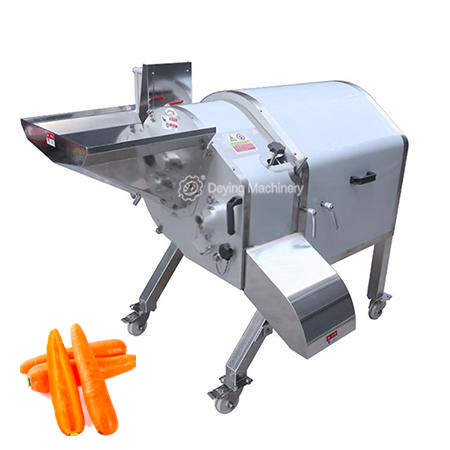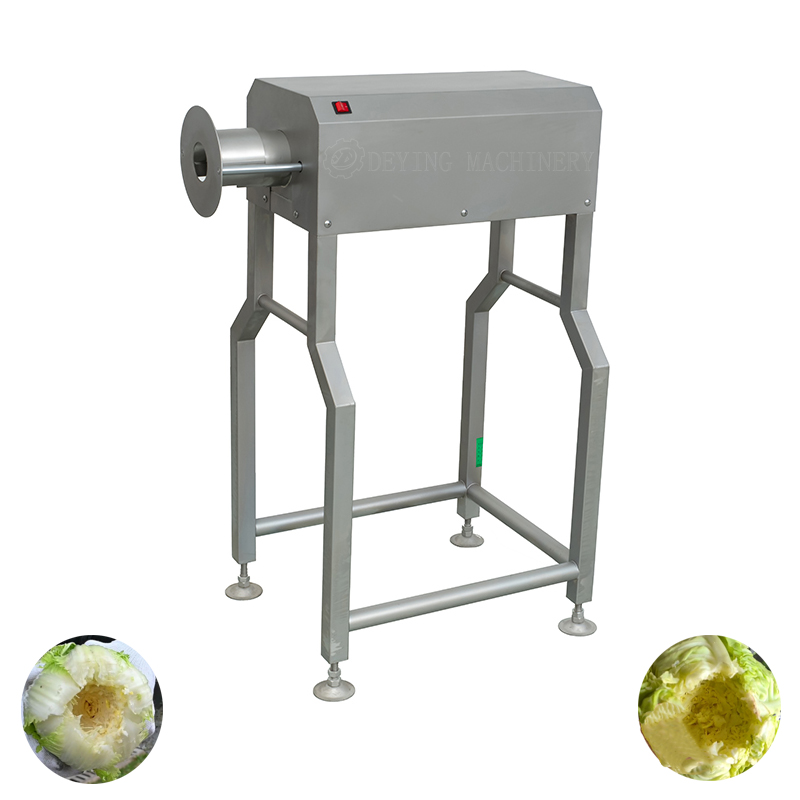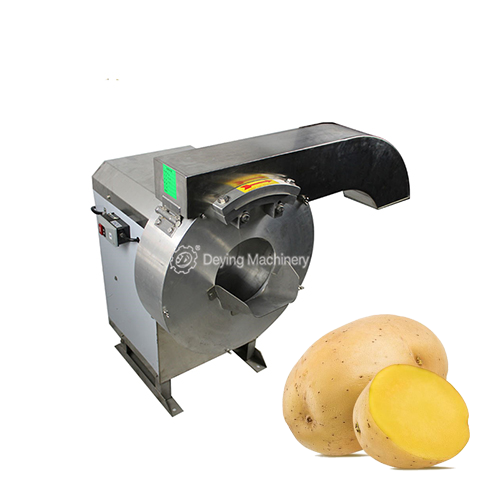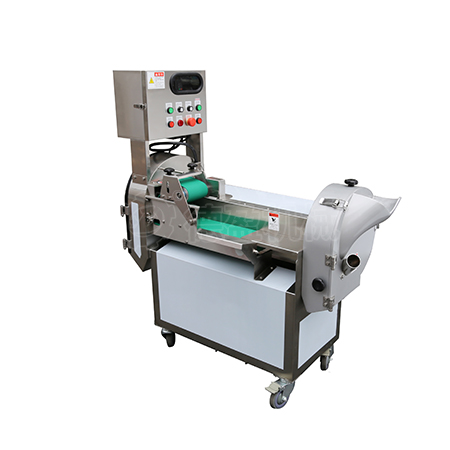
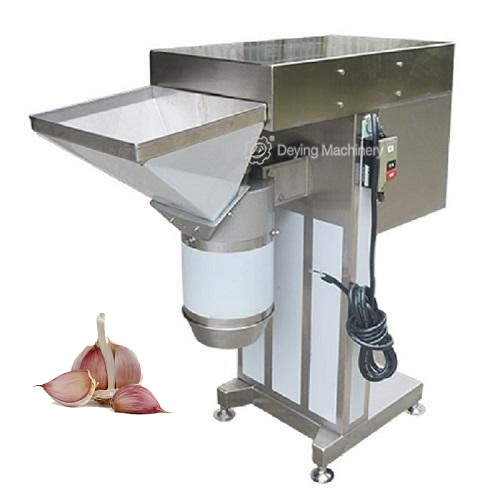
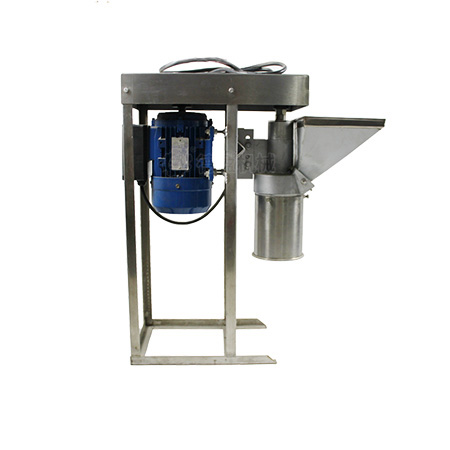
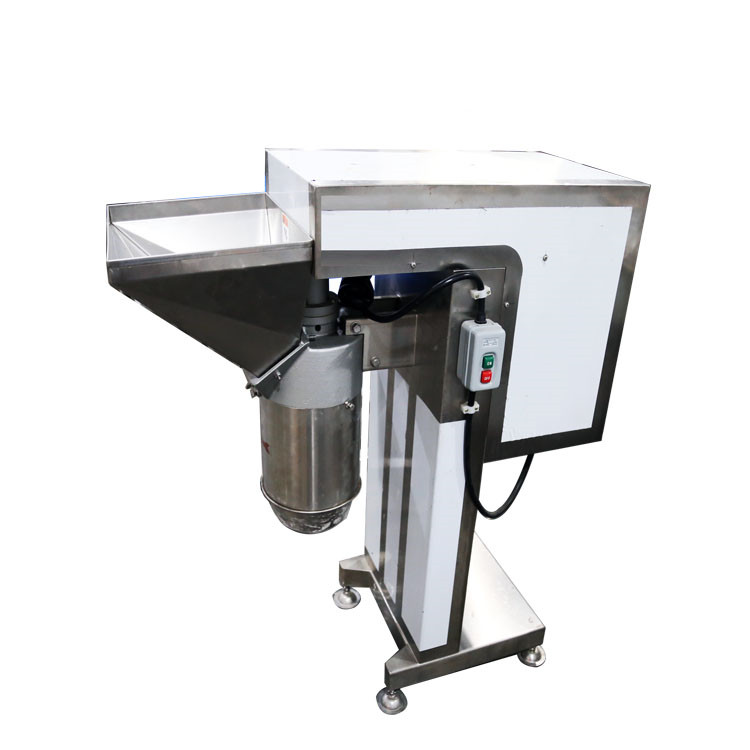






Usage: Garlic, ginger, spinach, onion and lotus root can be beaten into puree or finely chopped. At the same time, fresh or pickled peppers can also be beaten into small pieces or puree. It is suitable for condiment factories, kitchens and restaurants. wait.
Features: The number of blades can be added freely, which is easy to use; the feed opening is wide for easy feeding; it is easy to clean and disassemble.
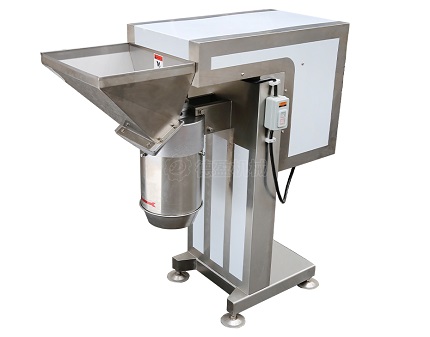
| Technical Parameters: | |
| Overall dimensions: | 800×380×1000mm |
| Voltage: | 380V |
| Power: | 2.2kW |
| Output: | 500-800kg/h |
| Customization: | customizable |
High Efficiency & Flexible Capacity
Processing Capacity: Handles 500-800kg of garlic paste per hour, meeting the demands of medium-to-large restaurants or processing plants. Customizable output adjustments available.
Power Configuration: 2.2kW motor paired with 380V voltage ensures stable performance for continuous operation.
Compact Design: Dimensions of 800x380x1000mm save space, ideal for kitchen or production line layouts.
Versatility & Durability
Multi-Purpose Processing: Beyond garlic, it can handle ginger, onions, peppers, potatoes, carrots, and more, producing paste or granules (adjustable via blade quantity).
Premium Materials: Full stainless-steel construction resists corrosion, is easy to clean, and meets food-grade hygiene standards.
Low-Loss Efficiency: Uses gentle extrusion technology (e.g., silicone plates paired with conical discs) to achieve over 95% yield with minimal ingredient damage.
Safety & Convenience
Overload Protection: Built-in motor safeguard prevents damage from jams or excessive loads.
Simple Operation: One-touch start/stop with a transparent viewing window (on select models) to monitor progress.
Easy Maintenance: Modular design allows quick disassembly of blades, output trays, and other parts for cleaning.
Foodservice Industry
Restaurants/Hotels: Batch-produce garlic paste, ginger puree, and other seasonings to streamline prep for high-demand dishes like hot pot or barbecue.
Central Kitchens: Unify ingredient processing (e.g., garlic paste) for multiple branches or delivery services, ensuring consistent flavor.
Food Processing
Condiment Manufacturers: Produce garlic sauce, chili paste, or other seasonings requiring high-frequency, large-volume processing.
Canned/Frozen Food Plants: Pre-process garlic paste for meat products, vegetable cans, or frozen dumpling fillings.
Other Sectors
Agricultural Cooperatives: Offer garlic paste processing services to farmers, extending the garlic supply chain and boosting value.
Supermarkets/Delicatessens: Process fresh garlic paste on-site to attract customers and differentiate products.
Daily Cleaning
Disassemble & Wash: After each use, remove blades, output trays, and other detachable parts. Clean with warm water and mild detergent to prevent bacterial growth.
Wipe Down Body: Dry the exterior with a cloth to avoid water-induced corrosion.
Sanitize: Periodically disinfect components with food-safe sanitizers.
Regular Maintenance
Blade Inspection: Check monthly for sharpness; replace dull blades promptly to maintain efficiency.
Motor Check: Quarterly inspect for unusual noises or overheating.
Lubrication: Apply food-grade lubricant to moving parts (e.g., gears, bearings) to reduce wear.
Proper Operation
Avoid Overloading: Do not exceed the device’s rated capacity to prevent motor strain.
Uniform Feeding: Maintain a steady feed rate to prevent clogging.
Power Off Before Servicing: Always disconnect power before cleaning or replacing parts.
Long-Term Storage
Dry Environment: Store in a cool, dry place to prevent circuit damage from humidity.
Dust Cover: Use a protective cover to keep dust out of internal components.
This machine combines efficiency, versatility, and ease of maintenance, making it a reliable solution for commercial garlic paste production. Proper care ensures longevity and consistent performance.

Dongguan De Ying food machinery Co., LTD


Copyright © 2026 Dongguan Deying Food Machinery Co., Ltd All rights reserved.


 PDF
PDF