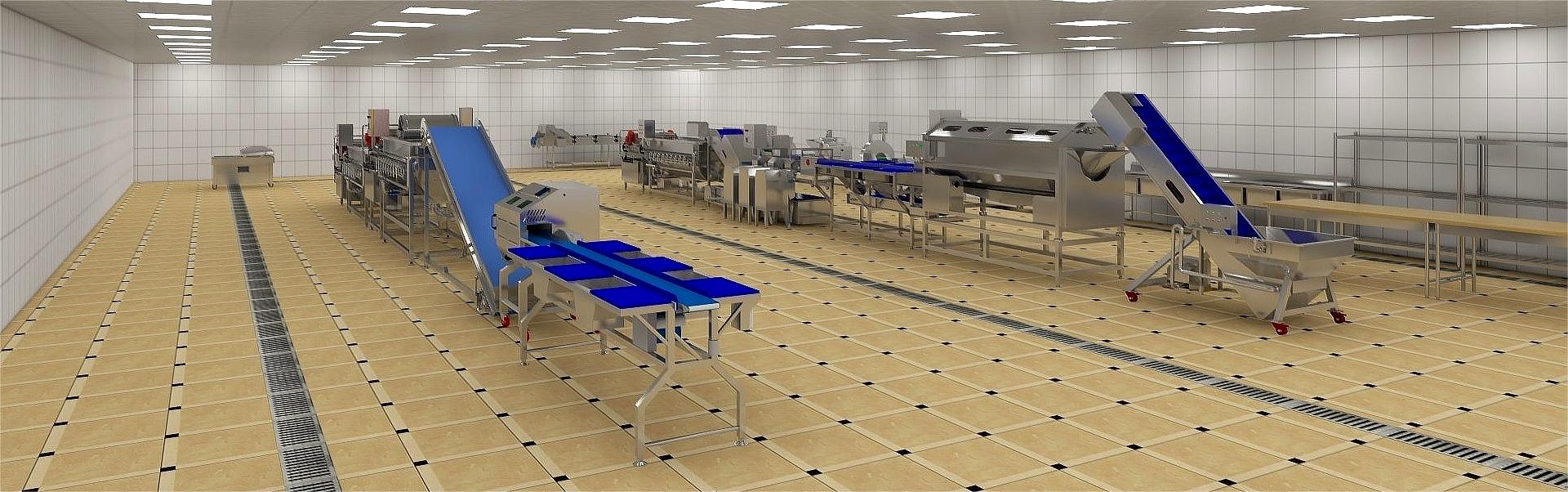
A Frozen Meat Slicer is a specialized kitchen or industrial device designed to slice frozen meat blocks into uniform thin slices without full thawing. Key benefits include:
Efficiency: Rapid cutting reduces preparation time, ideal for high-volume settings.
Freshness Preservation: Avoids nutrient loss and bacterial growth caused by prolonged thawing.
Consistency: Delivers evenly sized slices for professional presentation (e.g., hotpot rolls, shabu-shabu).
Waste Reduction: Minimizes meat trimming compared to manual slicing.
2. Applications & User Groups
Commercial Use:
Restaurants: Hotpot/BBQ joints, buffets, and catering services requiring bulk slicing.
Food Processing: Factories producing standardized meat rolls (e.g., beef/lamb slices for supermarkets).
Butcher Shops: On-site slicing for customer convenience.
Home Use:
Suitable for families frequently preparing frozen meat dishes (e.g., hotpot, stir-fries), though safety and size constraints apply.
3. Key Selection Criteria
Cutting Capacity:
Meat Block Size: Ensure the feed opening accommodates your meat dimensions (e.g., 400mm width for industrial models).
Slice Thickness: Opt for adjustable settings (e.g., 0.5–10mm) to suit diverse recipes.
Frozen Meat Handling: High-end models slice near-fully frozen meat; budget options may require partial thawing.
Machine Type:
Manual: Affordable but labor-intensive; best for occasional home use.
Electric: Motor-driven blades for speed and uniformity; ideal for commercial settings.
Fully Automatic: PLC-controlled systems for continuous slicing (e.g., multi-roll processing).
Safety Features:
Blade Guards: Prevent accidental contact during operation.
Emergency Stop: Immediate shutdown in case of jams or hazards.
Non-Slip Base: Enhances stability during use.
Ease of Use & Maintenance:
Removable Components: Dishwasher-safe blades and trays simplify cleaning.
Intuitive Controls: Digital interfaces reduce training time for staff.
4. Usage Tips
Preparation:
Partially thaw frozen meat in a refrigerator (15–30 mins) to avoid blade damage.
Remove bones, gristle, or excess fat to prevent jams.
Operation:
Wear cut-resistant gloves; keep hands away from the blade area.
Feed meat steadily; avoid sudden movements that cause uneven slices.
Follow manufacturer’s speed guidelines to prevent motor overload.
Cleaning:
Unplug the machine before cleaning.
Use mild detergent and soft brushes to avoid scratching surfaces.
Dry components thoroughly to prevent rust.
Q: Can frozen meat slicers cut through bones?
A: Most models are designed for boneless meat. For bones, use a dedicated bone saw or pre-remove them.
Q: Is a home frozen meat slicer worth buying?
A: Consider frequency of use. If you frequently slice large quantities (e.g., weekly hotpot), an electric model saves time. For occasional use, manual slicing or partial thawing may suffice.