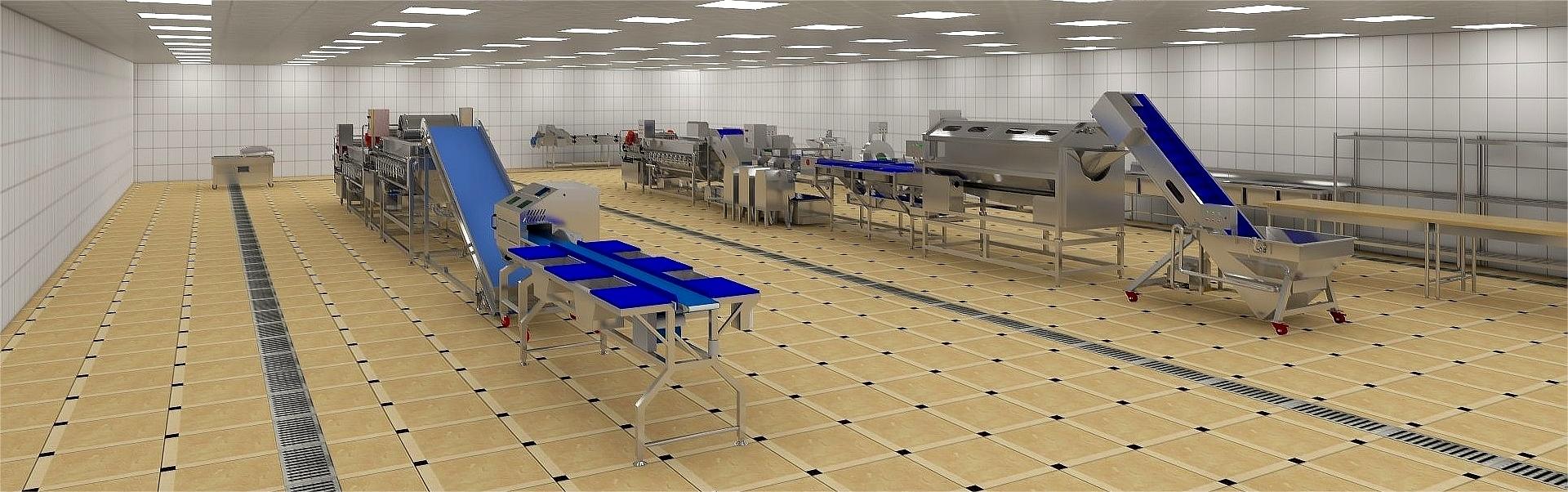
As demand for fresh-cut vegetables, ready-to-eat salads, and pre-prepared food products continues to grow, food processors need efficient solutions for handling large volumes of lettuce. An industrial Lettuce Production Line integrates multiple processing stages, helping manufacturers improve processing efficiency, maintain consistent product quality, and reduce manual handling.
From initial sorting and washing to cutting, dewatering, and packaging, each stage plays an important role in preparing lettuce for commercial distribution. Understanding how a lettuce production line works can help food processing businesses select suitable equipment and plan their production operations.
What Is a Lettuce Production Line?
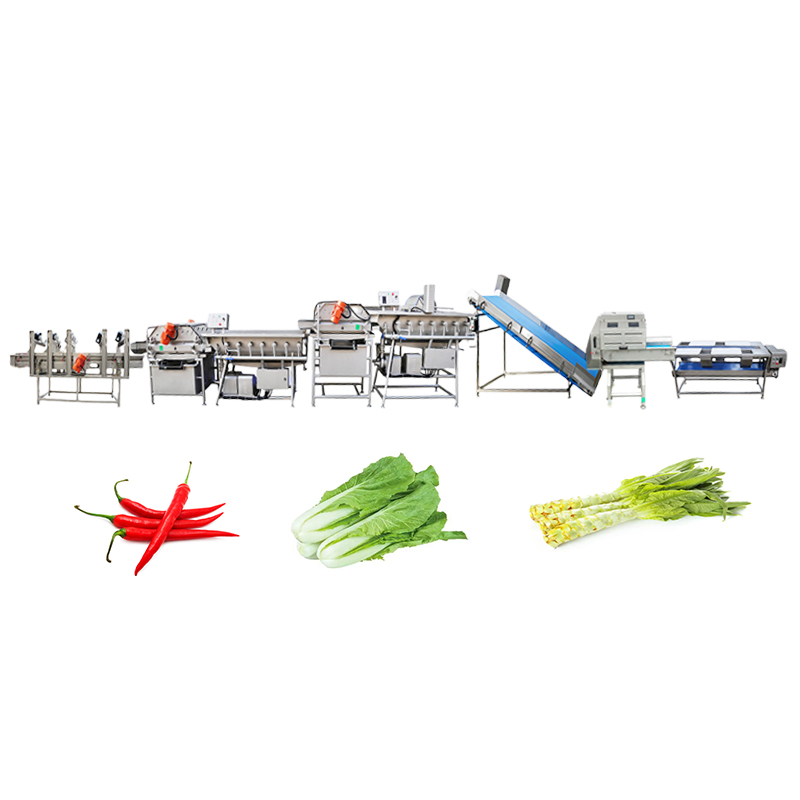
A lettuce production line is a combination of food processing machines designed to handle lettuce through a series of operations. Depending on the final product and processing requirements, the line may include feeding, sorting, washing, cutting, dewatering, and packaging equipment.
For commercial food processors, an integrated lettuce processing line helps coordinate different production stages and supports continuous or batch-based processing. The equipment configuration can be adjusted according to raw material conditions, required output, processing methods, and factory layout.
Main Processing Steps in an Industrial Lettuce Production Line
1. Lettuce Feeding and Initial Sorting
The process typically begins with feeding fresh lettuce into the production line. Workers or sorting equipment remove damaged leaves, foreign materials, and unsuitable raw materials before further processing.
Effective sorting helps reduce unnecessary material entering downstream machines and improves the consistency of the final product.
2. Lettuce Washing
Washing is an essential stage in lettuce processing. Fresh lettuce may contain soil, dust, and other surface impurities from harvesting and transportation.
Industrial lettuce washing machines use water circulation, spraying, or other washing methods to clean the vegetables. Depending on the equipment design, washing systems may incorporate water filtration and circulation functions to support continuous operation.
Food processors should select washing equipment according to lettuce characteristics, processing capacity, and their required cleaning procedures.
3. Lettuce Cutting and Slicing
After washing, lettuce may be cut into smaller pieces according to the requirements of the final product. Common processing requirements include leaf cutting, strip cutting, and customized portion sizes.
Automatic vegetable Cutting Machines help standardize cutting dimensions and improve processing efficiency. The cutting method and blade configuration should be selected according to lettuce variety, leaf structure, and the desired finished product.
4. Lettuce Dewatering
After washing and cutting, excess surface water needs to be removed before packaging or further processing. Industrial vegetable dewatering machines commonly use centrifugal force to remove water from the lettuce.
Appropriate dewatering helps reduce residual moisture on the product surface, which is important for packaging, transportation, and subsequent handling. Processing speed and operating settings should be adjusted carefully to avoid unnecessary damage to delicate lettuce leaves.
5. Inspection and Quality Control
Before packaging, processed lettuce may undergo a final inspection to identify damaged leaves, foreign materials, or inconsistent product portions.
Depending on the factory's food safety management procedures, additional inspection and handling steps can be integrated into the production line.
6. Lettuce Packaging
The final stage involves packaging the processed lettuce according to product specifications and distribution requirements. Packaging formats may include bags, trays, or other food-grade packaging solutions.
Packaging equipment can be selected according to product weight, packaging material, sealing requirements, and production output. For fresh-cut lettuce, suitable packaging and temperature management are important considerations throughout storage and distribution.
Key Equipment Used in a Lettuce Processing Line
A complete lettuce processing line may consist of several types of equipment. The actual configuration depends on the processing method and the final product.
Feeding Conveyor: Transfers raw lettuce between processing stations and supports material handling.
Sorting Table or Sorting Conveyor: Allows operators to remove unsuitable leaves and foreign materials.
Lettuce Washing Machine: Removes surface impurities through washing and water circulation systems.
vegetable cutting machine: Cuts lettuce into specified sizes and shapes.
Vegetable Dewatering Machine: Removes excess surface water after washing and cutting.
Inspection Conveyor: Supports final product checking before packaging.
Packaging Machine: Packs processed lettuce into the required packaging format.
Factors That Affect Lettuce Production Line Efficiency
Raw Material Characteristics
Lettuce varieties differ in leaf size, thickness, moisture content, and structure. These characteristics can influence washing, cutting, and dewatering performance. Equipment settings should match the actual raw materials being processed.
Processing Capacity
The required output determines the capacity of individual machines and the overall production line. Equipment should be coordinated to avoid bottlenecks between washing, cutting, dewatering, and packaging stages.
Automation and Material Handling
Conveyors and automated processing equipment can reduce manual material transfer and improve workflow coordination. The appropriate automation level depends on factory scale, labor availability, and investment plans.
Hygiene and Equipment Maintenance
Because lettuce is a food product that may be consumed fresh, hygienic equipment design and cleaning procedures are important. Buyers should consider food-contact materials, accessible cleaning areas, drainage, and routine maintenance requirements.
Applications of Industrial Lettuce Processing Lines
Lettuce production lines are used by different types of food processing businesses, including:
Fresh-Cut Vegetable Processors: Processing lettuce for retail and foodservice distribution.
Salad Manufacturers: Preparing lettuce as an ingredient for packaged salad products.
Central Kitchens: Supplying pre-washed and cut vegetables to restaurants and catering businesses.
Foodservice Suppliers: Processing lettuce for hotels, restaurants, supermarkets, and institutional kitchens.
Vegetable Processing Factories: Handling larger volumes of lettuce for commercial production.
How to Configure a Lettuce Production Line
There is no single configuration suitable for every lettuce processing factory. Before selecting equipment, manufacturers should evaluate the following factors:
Type and condition of the raw lettuce.
Required processing capacity per hour or per day.
Whether the final product is whole-leaf, cut lettuce, or ready-to-eat salad ingredients.
Required washing, cutting, and dewatering processes.
Available factory space and equipment layout.
Packaging format and downstream production requirements.
For projects involving multiple processing stages, an integrated equipment solution can help coordinate the workflow and reduce unnecessary material handling.
Conclusion
An industrial lettuce production line combines washing, cutting, dewatering, inspection, and packaging operations to support commercial vegetable processing. Each machine contributes to the efficiency and consistency of the overall production process.
For food processing businesses planning to upgrade their facilities or establish a new production line, choosing equipment according to raw material characteristics, processing capacity, hygiene requirements, and final product specifications is essential.
Contact a professional food processing equipment supplier to discuss your lettuce processing requirements and develop a production line configuration that matches your factory's needs.