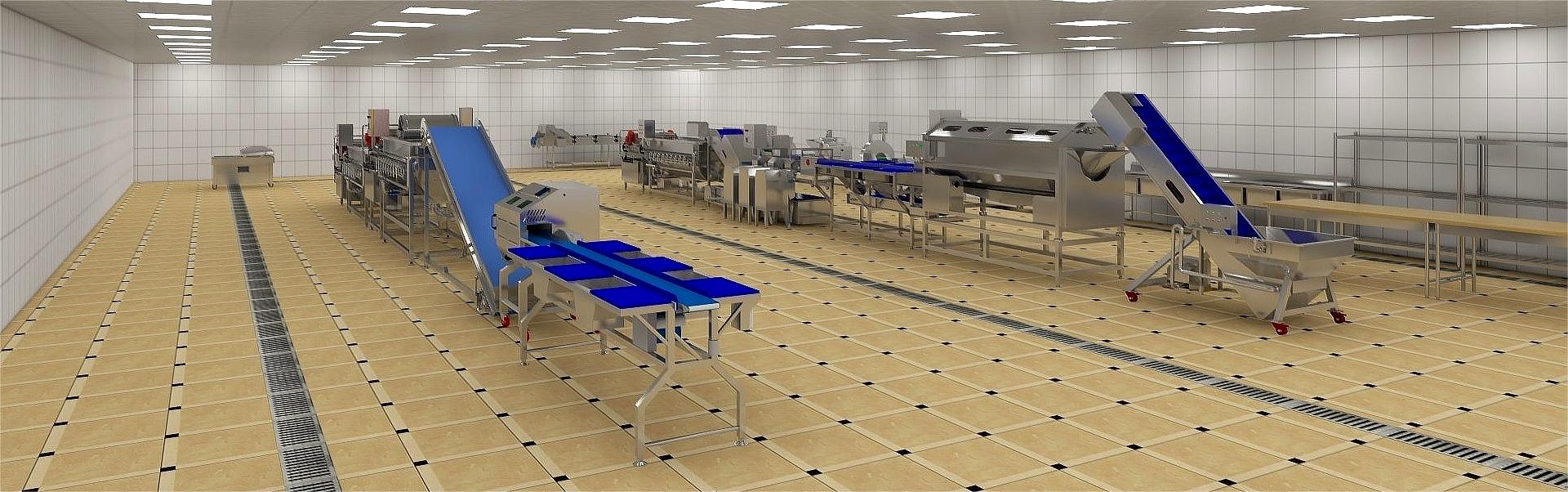
Choosing the right food processing machinery is an important decision for any food manufacturer. The equipment used in a production line directly affects processing capacity, product consistency, labor requirements, production efficiency, maintenance costs, and overall operating performance.
There is no single food processing machine that is suitable for every factory. The right solution depends on the type of food being processed, production capacity, processing method, available space, automation requirements, hygiene standards, and future production plans.
Whether you are building a new production line or upgrading existing equipment, evaluating these factors before purchasing can help you select food processing equipment that matches your actual production requirements.
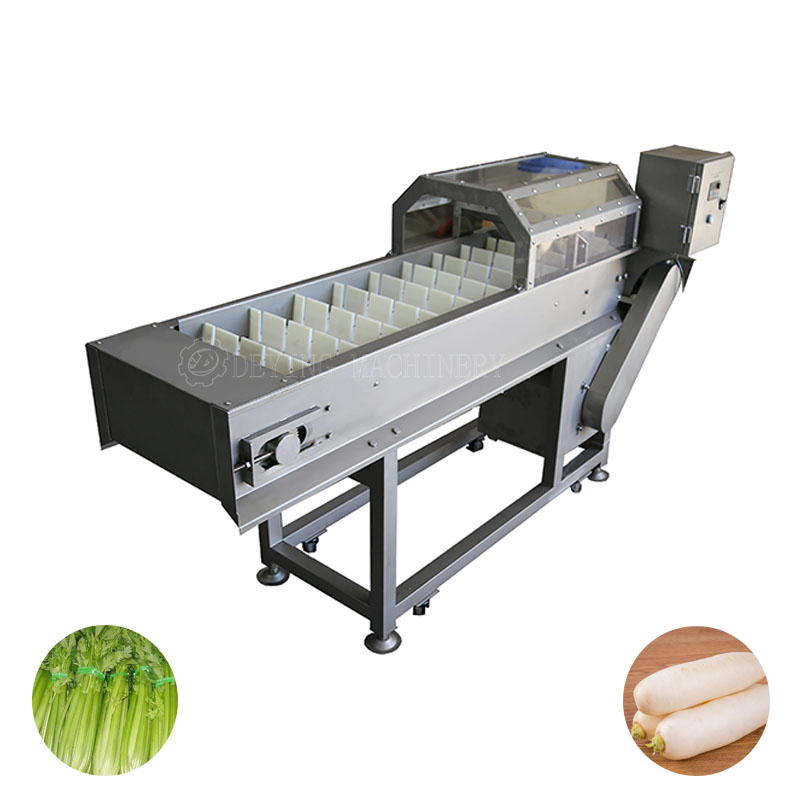
1. Identify the Food Product You Need to Process
The first step is to clearly define the food product that the production line will handle. Different foods have different physical characteristics and require different processing methods.
For example, fresh vegetables may require washing, sorting, peeling, cutting, and drying, while meat products may require cutting, grinding, mixing, cooking, or other specialized processes.
Before selecting machinery, consider:
Type of food product
Raw material characteristics
Product size and shape
Moisture content
Hardness and texture
Required processing method
Final product specifications
Understanding the material being processed helps determine which machines should be included in the production line.
2. Determine Your Required Production Capacity
Production capacity is one of the most important factors when selecting Industrial Food Processing Equipment. A machine that is too small can become a bottleneck, while oversized equipment may increase investment and operating costs unnecessarily.
Determine the required output based on your actual production plan. Capacity can be expressed in units per hour, kilograms per hour, tons per day, or another appropriate measurement.
It is also important to consider peak production requirements. If demand is expected to increase in the future, selecting equipment with some additional capacity may provide greater flexibility.
3. Analyze the Complete Processing Flow
Instead of choosing individual machines separately, evaluate the entire processing flow. A typical food processing line may include several stages, such as:
Raw material feeding
Washing and cleaning
Sorting and grading
Peeling or trimming
Cutting or slicing
Grinding or crushing
Mixing
Cooking or heating
Drying or dehydration
Cooling
Packaging
Not every production line needs all of these processes. The exact configuration should be based on the product and the desired final result.
Designing the complete process first can help prevent compatibility problems between individual machines.
4. Check Machine Compatibility
When multiple machines are connected to form an automated production line, compatibility becomes particularly important.
Consider the feeding height, discharge position, conveyor speed, processing capacity, control system, electrical requirements, and communication between machines.
If one machine processes material faster than the next machine can handle it, the production line may experience accumulation or unnecessary downtime. Proper capacity matching helps maintain a stable material flow.
5. Consider the Level of Automation
Automated food processing equipment can reduce manual operations and improve production consistency. However, the appropriate level of automation depends on the product, production volume, labor availability, and investment budget.
Production lines can range from relatively simple semi-automatic equipment to highly integrated automatic systems.
When evaluating automation, consider:
Automatic feeding
Automatic material transfer
Automatic process control
Sensor systems
Temperature or speed control
Automatic cleaning functions
Automatic packaging integration
For high-volume production, automation can help reduce repetitive manual work and provide more consistent processing conditions.
6. Evaluate Food Contact Materials and Hygiene
Food processing machinery must be designed with hygiene and cleaning requirements in mind. Components that come into contact with food should be appropriate for the intended processing environment.
When evaluating equipment, pay attention to the construction of food-contact areas, surface finish, accessibility for cleaning, drainage, and the overall machine design.
A hygienic machine design can make routine cleaning easier and help reduce the accumulation of food residue in difficult-to-access areas.
7. Consider Cleaning and Maintenance Requirements
Regular cleaning and maintenance are essential for keeping food processing equipment operating reliably.
Before purchasing a machine, ask the manufacturer how frequently routine maintenance is required and which components are considered wear parts.
Important questions include:
How easy is the machine to clean?
Can food-contact components be easily accessed?
Which parts require regular replacement?
Are spare parts readily available?
How easy is troubleshooting?
Does the supplier provide technical support?
A machine with a higher initial price may sometimes provide better long-term value if it is easier to maintain and has lower downtime.
8. Consider Available Factory Space
The physical dimensions of the equipment should match the available production area. This is particularly important when purchasing a complete food processing production line.
Consider not only the footprint of the machine but also space for:
Material loading
Product discharge
Operator access
Cleaning
Maintenance
Material storage
Conveyors and connecting equipment
A well-planned layout can improve material flow and make daily operation and maintenance more convenient.
9. Check Energy and Utility Requirements
Different machines may require electricity, water, compressed air, steam, gas, or other utilities. These requirements should be evaluated before installation.
Check the machine's electrical specifications, power consumption, water requirements, air pressure, heating requirements, and other utility needs.
Understanding these requirements helps you estimate operating costs and prepare the factory infrastructure before installation.
10. Evaluate Product Quality and Processing Consistency
Food processing equipment should not only meet the required output but also provide consistent processing results.
Depending on the application, consistency may involve cutting dimensions, mixing uniformity, drying moisture, cooking temperature, product weight, or other quality characteristics.
Ask the supplier how the machine controls important processing parameters and whether testing can be performed using your actual raw materials.
11. Think About Future Production Requirements
A production line should ideally support your current requirements while leaving room for future growth.
If production volume is expected to increase, consider whether additional machines can be added or whether the current system can be expanded.
Modular equipment and flexible production-line designs may make future upgrades easier.
12. Compare the Total Cost of Ownership
Purchase price is only one part of the cost of food processing machinery. A more useful comparison considers the total cost of ownership over the equipment's operating life.
Consider:
Initial equipment price
Installation costs
Energy consumption
Water and utility consumption
Labor requirements
Maintenance costs
Spare parts
Downtime
Expected service life
Comparing these factors can help manufacturers identify equipment that provides better long-term value rather than simply choosing the lowest initial price.
13. Choose an Experienced Food Processing Machinery Manufacturer
The manufacturer can have a major impact on the success of a production-line project. Look for a supplier with experience in your specific food processing application and the ability to provide suitable equipment integration.
Important supplier evaluation factors include manufacturing capability, customization experience, technical support, quality control, spare parts availability, installation support, and after-sales service.
If your production process has special requirements, a food processing machinery manufacturer with engineering and customization capabilities may be able to develop a more suitable solution than a standard machine.
Food Processing Machinery Selection Checklist
Before placing an order, review the following questions:
What food product will be processed?
What raw materials will be used?
What processing steps are required?
What production capacity is needed?
What level of automation is appropriate?
What machine dimensions are available?
What utilities are required?
What cleaning and maintenance procedures are needed?
What product quality requirements must be achieved?
Can the equipment be expanded in the future?
What technical support does the supplier provide?
What is the total cost of ownership?
FAQs
How do I choose food processing machinery?
Start with the food product, raw material characteristics, processing steps, required capacity, automation level, available factory space, hygiene requirements, and budget. Then compare suitable machines and suppliers based on the complete production process.
Should I buy individual machines or a complete production line?
This depends on your production requirements. Individual machines may be suitable for simple processes or equipment upgrades, while a complete production line can provide better process integration for larger manufacturing operations.
Is customized food processing equipment available?
Many food processing machinery manufacturers offer customization based on product characteristics, capacity, layout, automation requirements, and other production specifications.
Why is production capacity important?
Capacity determines how much product the machine can process within a specific period. Choosing the right capacity helps avoid production bottlenecks while preventing unnecessary investment in oversized equipment.
Choosing the right food processing machinery requires more than comparing machine prices. Manufacturers should evaluate the product, processing flow, capacity, automation, hygiene, maintenance, factory layout, utilities, product quality, and future production plans.
A properly selected production line can improve processing efficiency, reduce unnecessary manual work, maintain consistent product quality, and support long-term production growth. Working with an experienced food processing machinery manufacturer can also make it easier to develop a solution that matches your specific production requirements.