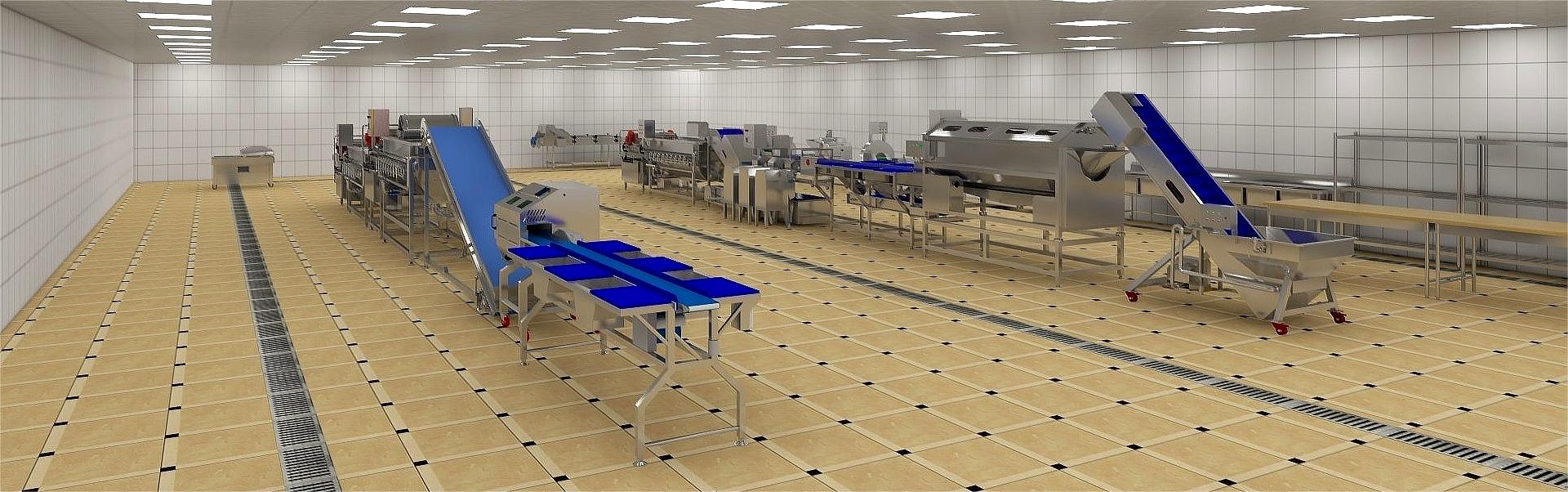
Modern fish processing requires different types of equipment depending on the fish species, production capacity, and final product. From scaling and cutting to drying, canning, and further processing, the right Fish Processing Machinery can help manufacturers improve production efficiency, consistency, hygiene, and product quality.
Rather than using one machine for every application, fish processors typically select equipment according to each stage of the production process. Understanding the role of different machines can make it easier to build an efficient processing workflow.
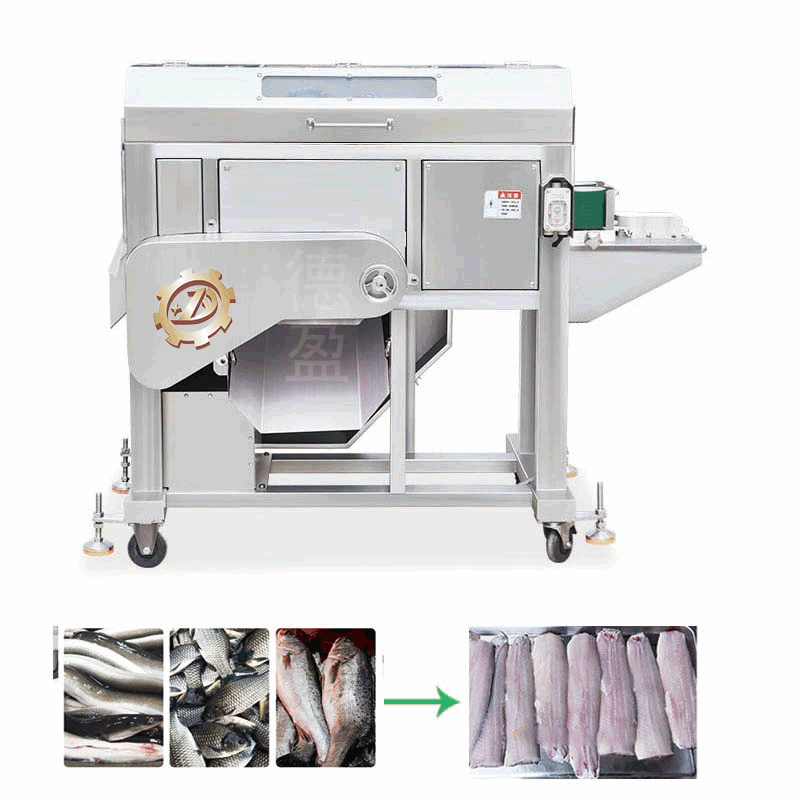
What Is Fish Processing Machinery?
Fish processing machinery refers to equipment used to handle, prepare, process, and transform fish after harvesting. Depending on the production process, machinery can perform tasks such as scaling, cutting, filleting, drying, cooking, canning, and further processing.
For commercial operations, mechanized processing can reduce repetitive manual work while providing more consistent processing results. The equipment configuration can also be adjusted according to production volume and the type of fish product being manufactured.
Fish Processing Equipment for Different Stages
Different processing stages require different equipment. The following applications are among the common areas where specialized fish processing machines can be used.
1. Fish Scaling
Before further processing, many fish products need to have their scales removed. A fish scaling machine is designed to remove scales more efficiently than manual processing, particularly when a facility handles a large quantity of whole fish.
Mechanical scaling can help standardize the preparation stage and reduce the amount of repetitive labor required before cutting or filleting.
2. Fish Cutting and Portioning
A fish Cutting Machine can be used when whole fish need to be divided into sections, portions, or other specified shapes. Cutting requirements vary according to the final product, fish size, and processing method.
For commercial production, controlled cutting can improve consistency between portions and help reduce unnecessary material loss.
3. Fish Drying
Drying is another important fish processing application. A fish drying machine can provide controlled drying conditions for products that require moisture reduction before packaging or further processing.
Compared with uncontrolled outdoor drying, mechanical drying can provide manufacturers with greater control over processing conditions. Drying parameters should be selected according to the fish product and the desired final moisture level.
4. Fish Canning
Canned fish production requires a different equipment configuration from fresh or frozen fish processing. A fish canning machine can be incorporated into a production line for preparing fish products for cans and other processing stages.
For specific products such as tuna, tuna canning machines may be used as part of a dedicated processing system designed around the product size, can format, and required production capacity.
5. Fish Meal Production
Fish processing can also involve the production of fish meal from suitable raw materials and processing by-products. A fish meal making machine can be part of a processing system that reduces and processes fish materials into a more concentrated product.
The exact equipment configuration depends on the raw material, required capacity, drying requirements, and final product specifications.
6. Fish Food and Feed Production
Some fish processing operations extend beyond human food production into fish feed manufacturing. A fish food making machine or fish feed processing equipment can be used to process formulated ingredients into products suitable for aquaculture applications.
For larger operations, a fish feed production machine may form part of a complete production line that includes mixing, forming, drying, and packaging stages.
How to Match Machinery to the Final Fish Product
The best equipment configuration depends largely on what the processor wants to produce. A facility producing fresh fish portions will have different equipment requirements from a factory producing dried fish, canned fish, fish meal, or aquaculture feed.
| Final Product | Potential Equipment | Main Processing Goal |
|---|---|---|
| Fresh Fish Portions | Scaling and cutting equipment | Consistent preparation and portioning |
| Dried Fish | Fish drying machine | Controlled moisture reduction |
| Canned Fish | Fish canning equipment | Preparation for canned products |
| Fish Meal | Fish meal processing equipment | Processing and concentration of fish materials |
| Fish Feed | Fish feed processing equipment | Producing formulated feed products |
What Factors Should Be Considered When Selecting Equipment?
Selecting fish processing equipment is not only about machine capacity. The equipment should also match the characteristics of the raw material and the requirements of the finished product.
Fish species and size: Different fish require different handling and cutting methods.
Production capacity: Machine capacity should match the expected processing volume.
Final product: Fresh, dried, canned, and processed products require different equipment.
Processing consistency: Automated equipment can help standardize repetitive operations.
Hygiene requirements: Food-processing equipment should be designed for practical cleaning and maintenance.
Available production space: The complete equipment layout should allow efficient movement of raw materials and finished products.
Manual Processing vs. Automated Fish Processing
Manual processing can be suitable for small-scale operations or products requiring a high degree of individual handling. However, as production volumes increase, repetitive manual operations can become time-consuming and more difficult to standardize.
Automated fish processing machinery can help reduce repetitive labor and provide more consistent processing speeds. The level of automation should be selected according to production volume, labor availability, product requirements, and investment plans.
Why Processing Line Integration Matters
Individual machines are only one part of an efficient fish processing operation. The connection between different processing stages can also influence overall productivity.
For example, a processing facility may combine scaling, cutting, washing, drying, or other operations into a coordinated workflow. Proper equipment layout can reduce unnecessary handling and make it easier to move products from one stage to the next.
For larger facilities, an integrated production line can provide a more systematic approach to processing and production management.
Maintenance and Hygiene of Fish Processing Machinery
Because fish processing involves food products and moisture, regular cleaning and maintenance are important parts of equipment management. Processing areas should be cleaned according to the operating requirements of the equipment and production environment.
Operators should also regularly inspect cutting components, moving parts, conveyors, seals, and other wear components. Preventive maintenance can help identify potential problems before they affect production.
Building the Right Fish Processing System
There is no single machine configuration suitable for every fish processing facility. The appropriate solution depends on the raw materials, target products, production capacity, processing stages, and available space.
A practical approach is to first define the final product and required production capacity, then determine which processing stages are needed. Equipment can then be selected and arranged around the complete production workflow.
Conclusion
Fish processing machinery covers a wide range of equipment used at different stages of fish production. Fish scaling machines, fish Cutting machines, drying equipment, canning equipment, fish meal processing machines, and fish feed production equipment can each serve different applications.
Choosing equipment according to the fish species, processing method, production capacity, and final product can help create a more efficient and consistent workflow. For commercial fish processors, considering the complete production line rather than a single machine can also support better long-term production planning.