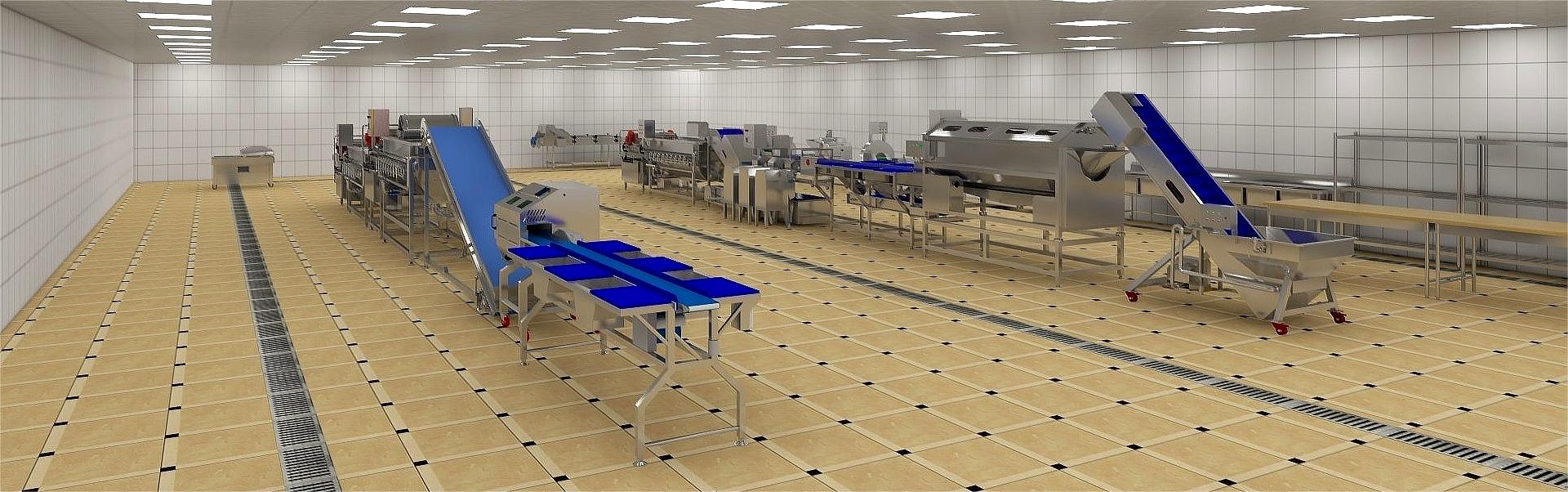
How to Choose the Right Vegetable Washing Machine for a Fresh-Cut Vegetable Processing Line
Fresh-cut vegetables have become increasingly popular in supermarkets, restaurants, central kitchens, and food processing plants. As consumer demand for ready-to-use produce continues to grow, manufacturers must ensure that vegetables are cleaned efficiently while maintaining freshness and product quality. Choosing the right vegetable washing machine is one of the most important decisions when building a modern fresh-cut vegetable processing line.
An efficient washing system not only removes soil, pesticide residues, and impurities but also helps improve food safety, reduce labor costs, and increase overall production efficiency. In this guide, we will explore how to select the ideal washing machine for your production requirements.
Why Is Vegetable Washing Important in Fresh-Cut Processing?
The washing stage is the first critical step after sorting and cutting. Proper cleaning helps remove contaminants and reduces the risk of cross-contamination during processing. Poor washing performance can negatively affect product appearance, shelf life, and customer satisfaction.
For facilities seeking a complete solution, integrating a washing machine into a fresh-cut vegetable processing line can significantly improve production consistency and product quality.
How Does a Vegetable Washing Machine Work?
Most commercial vegetable washing machines use a combination of bubble washing, water circulation, and high-pressure spraying technologies.
Bubble agitation gently separates dirt from vegetables.
Water circulation continuously removes floating impurities.
Spray rinsing provides secondary cleaning before discharge.
Conveyor systems ensure continuous processing.
This combination allows delicate leafy vegetables to be cleaned effectively without causing damage.
Typical Technical Specifications
| Parameter | Specification |
|---|---|
| Machine Material | SUS304 Stainless Steel |
| Processing Capacity | 500 – 3000 kg/h |
| Power Supply | 220V / 380V / Customized |
| Power Consumption | 3 – 7.5 kW |
| Cleaning Method | Bubble Washing + Spray Cleaning |
| Control System | Variable Speed Control |
| Application Products | Lettuce, Spinach, Cabbage, Carrot, Potato, Apple, Cucumber |
Factors to Consider When Choosing a Vegetable Washing Machine
1. Production Capacity Requirements
Before selecting equipment, determine your daily output target. Small processing facilities may require capacities of 500–1000 kg/h, while large commercial food factories often need systems capable of processing more than 3000 kg/h.
2. Vegetable Type
Different products require different washing approaches:
Leafy vegetables: lettuce, spinach, cabbage.
Root vegetables: carrots, potatoes, radishes.
Fruits: apples, tomatoes, cucumbers.
Machines should provide gentle yet effective cleaning to avoid product damage.
3. Water Consumption and Recycling
Modern food processors increasingly focus on sustainability. Machines equipped with water filtration and recycling systems can reduce operational costs and environmental impact.
4. Food Safety Standards
Food-contact components should be manufactured from SUS304 stainless steel to ensure hygiene and long-term durability. Easy-clean designs also simplify maintenance procedures.
Recommended Equipment for a Complete Fresh-Cut Vegetable Processing Line
A professional processing line typically consists of several machines working together:
Vegetable Sorting Table
Vegetable Cutting Machine
Vegetable Washing Machine
Air Drying Machine
Weighing System
Packaging Machine
For maximum efficiency, many manufacturers combine the washing machine with a complete food processing equipment solution designed according to specific production requirements.
Benefits of Automated Vegetable Washing Systems
Improved food safety compliance
Reduced labor costs
Consistent cleaning quality
Higher production efficiency
Lower product loss rates
Enhanced product appearance
Longer shelf life for fresh-cut vegetables
Industry Applications
Vegetable washing machines are widely used in:
Fresh-cut vegetable factories
Central kitchens
Frozen vegetable processing plants
Food distribution centers
Agricultural cooperatives
Restaurant supply chains
Frequently Asked Questions
What vegetables can be cleaned using a bubble washing machine?
Most leafy vegetables, fruits, herbs, and root vegetables can be effectively cleaned using bubble washing technology.
Can the machine be customized for different capacities?
Yes. Capacity, conveyor length, washing tank dimensions, and voltage specifications can all be customized according to customer requirements.
How often should the machine be maintained?
Daily cleaning and routine inspections are recommended to maintain optimal performance and food safety standards.
Does the machine support water recycling?
Many modern systems include filtration and circulation functions that significantly reduce water consumption.
Conclusion
Selecting the right vegetable washing machine is essential for building an efficient fresh-cut vegetable processing line. By evaluating capacity requirements, product characteristics, automation needs, and hygiene standards, food manufacturers can improve productivity while ensuring consistent product quality.
To learn more about customized vegetable processing solutions, visit Deying Food Machinery. For additional information on food safety and produce handling practices, refer to the Food and Agriculture Organization (FAO).