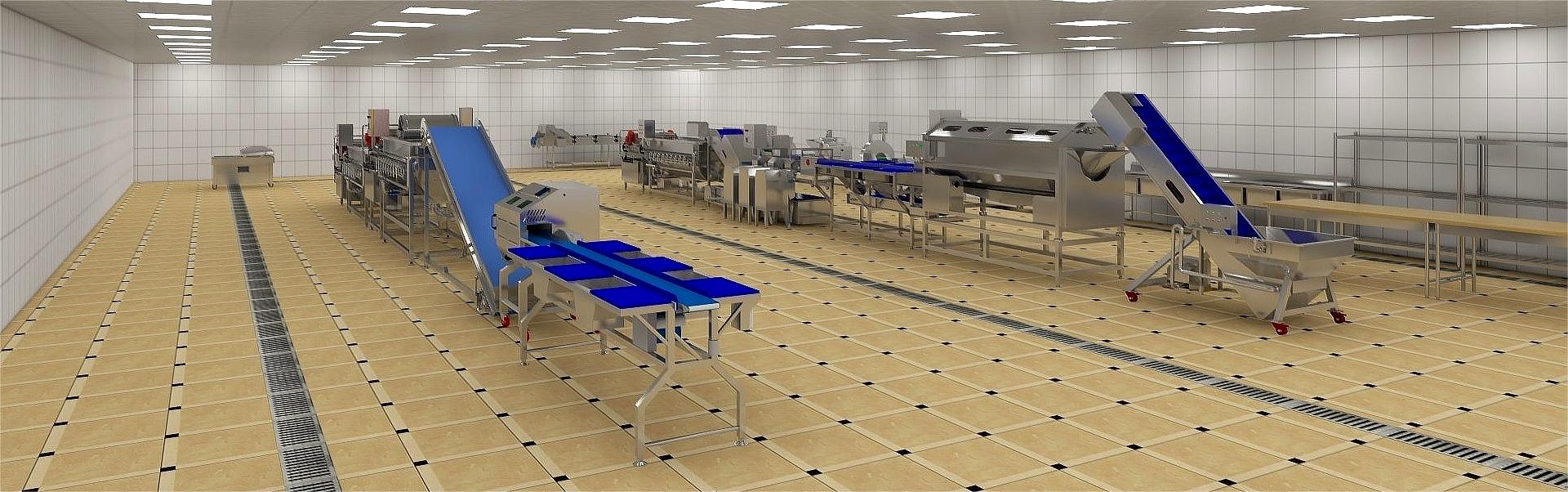
How to Design an Efficient Vegetable Processing Line
A practical guide for fresh-cut vegetable manufacturers, central kitchens, food processing plants, and agricultural businesses.
Why Processing Line Design Matters
An efficient vegetable processing line improves productivity, reduces labor costs, and helps food manufacturers maintain consistent product quality. Selecting the correct equipment layout can significantly improve operational efficiency.
DY Food Machinery provides vegetable processing equipment and turnkey production lines for various fresh-cut vegetable applications.
Types of Vegetables Processed
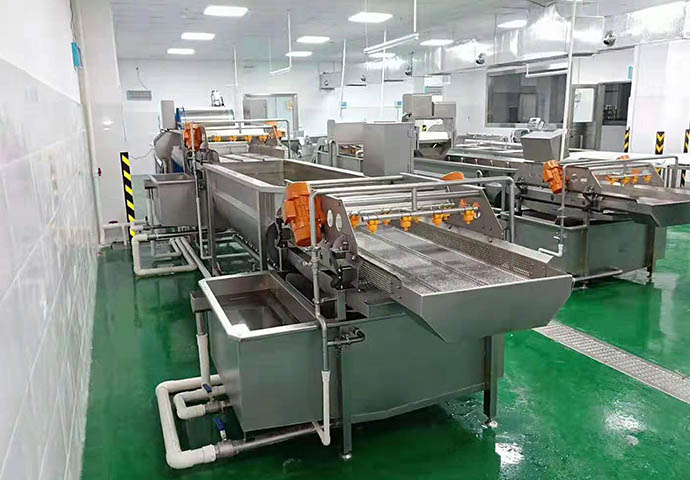
Different vegetables require different processing methods. Typical products include:
| Vegetable Type | Main Process | Recommended Equipment |
|---|---|---|
| Lettuce | Washing + Drying | Bubble Washer + Air Dryer |
| Spinach | Cleaning + Dewatering | Vegetable Washing Line |
| Carrot | Washing + Peeling + Cutting | Root Vegetable Processing Line |
| Potato | Washing + Peeling + Slicing | Potato Processing Equipment |
| Onion | Peeling + Cutting | Vegetable Cutting Machine |
Typical Equipment Configuration
A standard fresh-cut vegetable processing line may include:
Vegetable Elevator
Bubble Washing Machine
Vegetable Cutting Machine
Dewatering Machine
Air Drying Conveyor
Inspection Conveyor
Related equipment: Vegetable Washing Machine | Vacuum Packaging Machine
Capacity Planning and Production Parameters
| Production Scale | Capacity | Recommended Configuration |
|---|---|---|
| Small Factory | 300-500 kg/h | Semi-Automatic Line |
| Medium Factory | 500-1000 kg/h | Automatic Processing Line |
| Large Factory | 1000-3000 kg/h | Fully Automated Processing System |
Food Safety Considerations
Food safety is critical in fresh-cut vegetable production. Processing equipment should be manufactured using food-grade stainless steel and designed for easy cleaning and sanitation.
Reference: U.S. FDA Food Safety Guidelines
Frequently Asked Questions
Which vegetables can be processed in an automated vegetable processing line?
Lettuce, cabbage, spinach, carrots, potatoes, onions, celery, cucumbers, and many other vegetables.
What is the typical capacity of a vegetable processing line?
Depending on the configuration, capacities range from 300 kg/h to more than 3000 kg/h.
Can washing, cutting, and packaging be integrated?
Yes. Modern Processing Lines can integrate multiple stages into one automated workflow.
How can automation reduce labor costs?
Automated equipment reduces manual handling and improves processing efficiency, often lowering labor requirements significantly.
Need a Customized Vegetable Processing Line?
Contact DY Food Machinery for a tailored solution based on your vegetables, production capacity, and factory layout.
Request A Quote