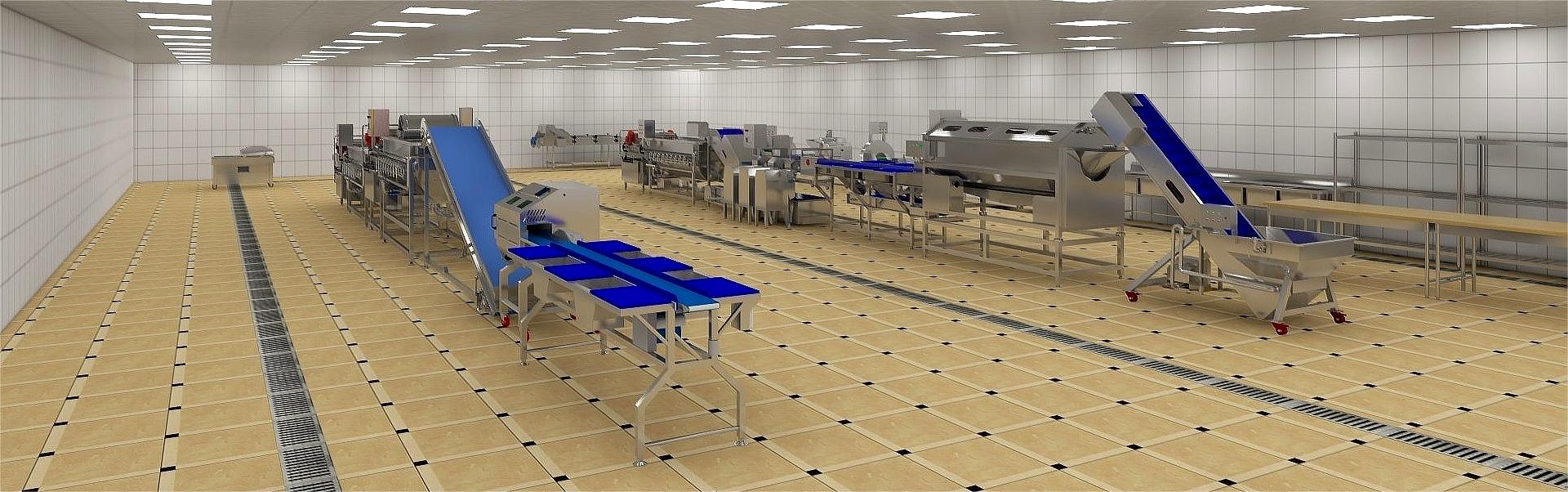
In the modern food industry, the Vegetable Processing Line is an indispensable part of the production process. These automated systems help manufacturers efficiently process large quantities of vegetables while ensuring the highest quality standards. A key component of these systems is vegetable washing equipment, which plays a crucial role in ensuring that vegetables are thoroughly cleaned before moving on to the next stages of processing.
The importance of vegetable processing cannot be overstated. Proper processing helps preserve the nutritional content, flavor, and texture of vegetables, making them suitable for a wide range of end products, including fresh, frozen, and ready-to-eat foods. As such, food processing machines have become essential in modern food production, helping manufacturers streamline the process while maintaining quality.
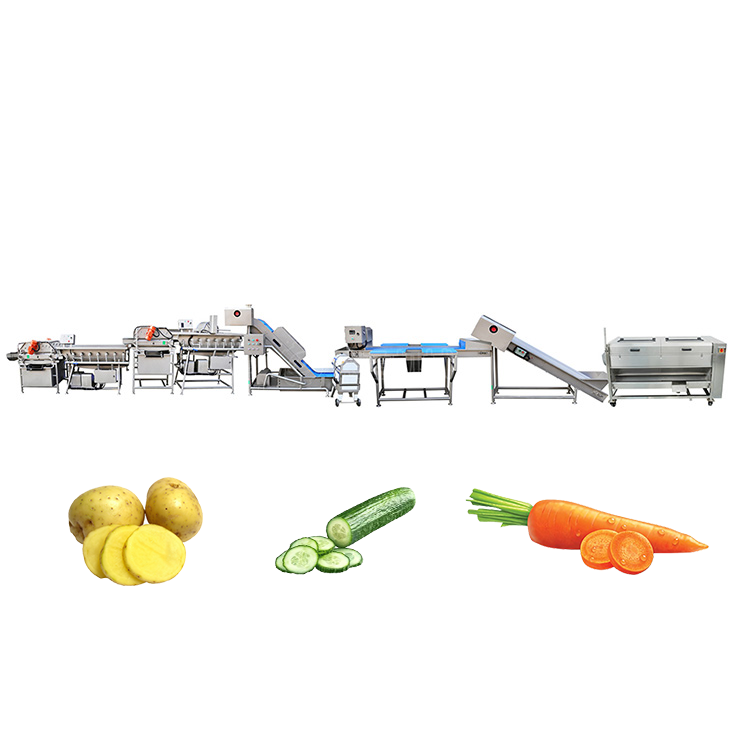
The process begins with the washing stage, where vegetable washing equipment ensures that any dirt, pesticides, or other contaminants are removed. This is vital to ensure the hygiene and safety of the vegetables before they move on to the peeling, cutting, and other stages. After washing, the vegetables are typically peeled and cut, with specialized machines ensuring uniformity and consistency throughout the process. This also helps speed up production and reduce waste.
For some vegetables, further processing such as blanching is required before freezing or packaging. Blanching involves briefly immersing the vegetables in boiling water, followed by quick cooling. This process helps preserve the texture and flavor of the vegetables. Once blanching is complete, the vegetables are ready for packaging. Automated packaging lines ensure that each product is sealed tightly, preserving freshness and preventing contamination.
The integration of food processing machines into the Vegetable Processing Line improves efficiency and consistency. These machines are designed to handle various types of vegetables, providing manufacturers with the flexibility to process different produce according to specific requirements. The automation of tasks such as washing, cutting, and packaging not only enhances productivity but also reduces the risk of human error.
The benefits of using a Vegetable Processing Line are clear. The system ensures faster production with reduced labor costs while maintaining high standards of hygiene and product quality. Although the initial investment can be high, the long-term savings in labor and waste reduction, coupled with the enhanced product consistency, make it a valuable investment for any food processing facility. In addition, the flexibility of these systems allows manufacturers to tailor the Processing Lines to suit the needs of various vegetables, ensuring that each type is processed to perfection.
In conclusion, a vegetable processing line equipped with state-of-the-art vegetable washing equipment and other advanced food processing machines is crucial for any food manufacturer looking to maintain high standards of quality and efficiency. These systems help ensure that vegetables are processed quickly, hygienically, and consistently, ultimately resulting in better products and increased profitability.